Should I Buy Silver Now at $70? What the Experts are Saying
Disclosure: This site is reader supported and purchases made through the links may generate a commision. Thanks for help supporting the site. Information only – not to be considered financial advice.
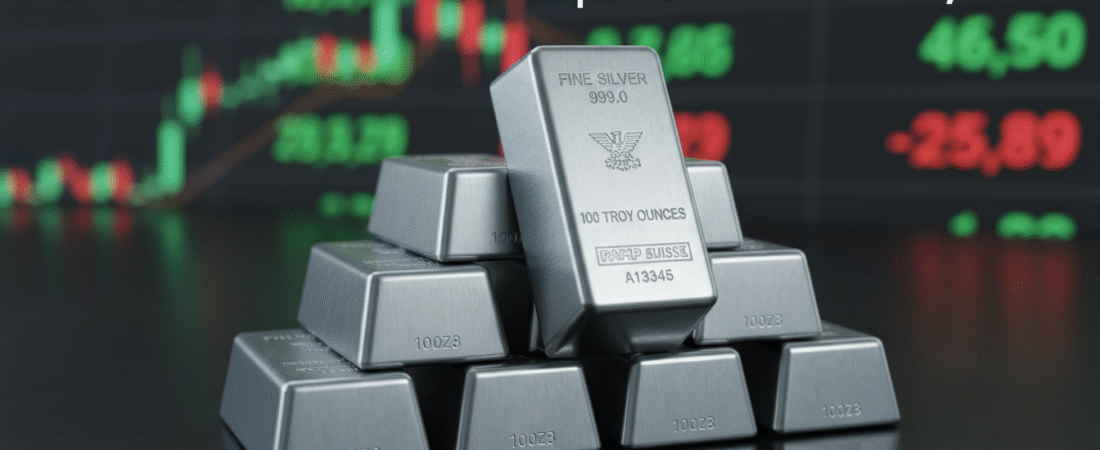
Surprising fact: the metal jumped from roughly $28–$30 per ounce in early 2025 to breach $70/oz on Dec 23, 2025, a historic move that changed the landscape for many U.S. investors.
This spike matters because new highs often alter risk dynamics. Rapid gains can bring bigger swings and faster reversals, even when the long-term case looks intact.
This introduction sets an informational framework for readers asking “should I buy silver now at $70?” It lays out a side-by-side decision approach: act today or wait.
“Buying” covers physical coins and bars, ETFs and futures, and costs and risks differ across each route. The article will evaluate industrial demand (solar, EVs, electronics), safe‑haven flows, inventories, macro catalysts (rate moves, dollar strength, inflation), and technical momentum.
Expectation: this is market education, not personalized advice. Consider liquidity needs and volatility tolerance before making an investment decision.
Key Takeaways
Historic price action raises both opportunity and risk for U.S. investors.
Different purchase methods carry distinct costs and liquidity profiles.
Industrial demand and macro catalysts will be central to future moves.
High momentum can mean rapid reversals; manage position size.
This guide is educational, not tailored financial advice.
Silver at $70 per ounce today: what’s different about this rally
Few commodity moves match 2025’s pace, where a rise from near $30 per ounce to the $70 area unfolded in months. This rapid climb is unusual for major metals markets and changes risk and participation profiles.
The 2025 move in context: roughly $30 to the $70 range
Early in the year, the price sat around $28–$30 per ounce. By Dec 23, 2025, it traded above $70, more than doubling in one year. That magnitude and speed are rare for a metal tied to both industry and investor flows.
How $70 compares to prior records and why “new highs” matter
Breaking the 1980 nominal peak of $49.45 signaled fresh market interest. New highs attract entrants and media attention, which can amplify momentum. At the same time, hotter markets often face sharper corrections as profit-taking and thin liquidity collide.
Why silver can outperform fast: smaller market, bigger swings
The market is smaller than gold, so a modest surge in inflows or a thin trading session can move prices by large percentages. Its dual identity — industrial metal and precious asset — makes rallies more explosive when both demand and safe-haven flows arrive quickly.
“Fast markets can show varying intraday feeds; quotes may differ across platforms.”
Key takeaway: the rally is real and historically significant, but the speed plus higher volatility requires a clear decision process rather than a gut reaction.
Quantified move: roughly $30 per ounce to the $70 range in one year.
Record context: eclipsed the 1980 nominal high of $49.45.
Market structure: small market size and dual demand amplify swings.
Buy silver now at $70 vs wait: a side-by-side decision framework
Investors face a clear two-path decision: move in with momentum or wait for clearer confirmation.
Reasons to act:
Momentum can persist; strong retail demand and supply constraints keep upside pressure.
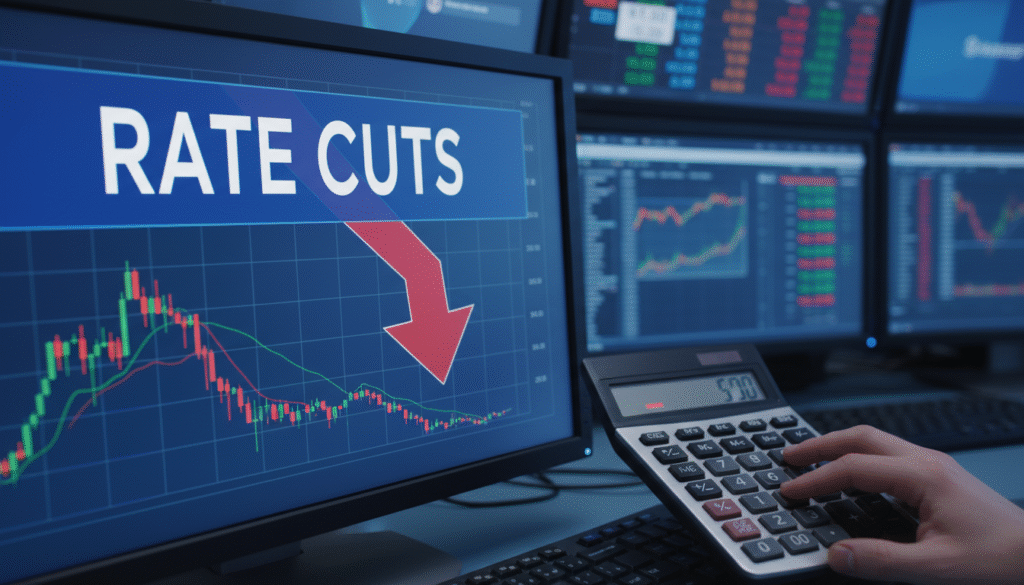
Macro tailwinds: expected Fed rate cuts and a weaker dollar reduce the opportunity cost for non‑yielding metals.
Tight inventories: low supply can support prices even during pullbacks.
Reasons to pause:
Parabolic runs can reverse sharply; profit‑taking is common after record moves.
Thin liquidity, especially around holidays, can exaggerate intraday swings.
New entrants face higher entry risk during volatile sessions.
Who each approach fits
First‑time buyers may prefer small initial positions or dollar‑cost averaging to reduce timing risk.
Experienced metals investors often use staged orders, ratio signals, or hedges and may tolerate wider drawdowns in a trading portfolio.
Practical guardrails
Predefine allocation size, pick entry method (limit orders vs market), and set clear triggers that would change your view.
“Define your time horizon and risk limits before entering; it makes decisions less emotional.”
Sharp rallies compress time; buyers must weigh technical validation against headline-driven spikes.
What has to go right for buying now to work
Concrete conditions: sustained industrial demand, ongoing safe-haven flows, supportive macro signals (rates and dollar), and a clear technical base above prior resistance.
$70 will act as real support only if the market defends it with repeated higher lows and volume on dips, not simply because it is a round level.
What can go wrong if you chase a parabolic price
Chasing a parabolic metal move risks entering near a momentum peak. A fast air-pocket drop can wipe out poorly sized positions in hours.
Headlines — from de‑escalation to hawkish policy shifts — can reverse flows quickly and intensify selling.
“Parabolic advances can produce vicious pullbacks that outpace fundamentals.”
Scenario
Signals
Impact
What must go right
Sustained demand, safe-haven bids, higher lows on dips
Price holds support and trends higher
What can go wrong
Momentum peak, thin liquidity, hawkish news
Rapid declines, wider drawdowns
Risk management
Position limits, staggered entries, avoid leverage
Reduced tail risk and clearer trade plan
Position sizing: cap exposure to an amount you can hold through a 30–50% drawdown.
Entry method: stagger orders or use limit bids that require technical confirmation.
Leverage: avoid if tolerance for fast losses is low.
Next: a deeper look at the drivers behind price moves, the gold comparison for relative value, and practical ways to gain exposure with an appropriate risk profile.
What’s driving silver prices: industrial demand vs safe-haven buying
Two clear forces are powering the rally: real economy consumption and defensive investment flows. That mix explains why moves have both fundamental backing and rapid momentum.
Industrial use cases
Industrial demand is rising as manufacturers add silver to products. Solar panels use conductive silver paste in cells. Electric vehicles rely on silver in sensors and connectors. Electronics consume silver in contacts and printed circuits.
Safe-haven flows
Safe-haven buying appears when geopolitical headlines increase uncertainty. Risk‑off episodes push funds toward precious metals, and silver—because it tracks gold but is smaller—sees larger swings.
Supply and momentum
Physical supply has tightened and inventories fell, so modest demand surprises move prices more than usual. Retail inflows and momentum buying amplify breakouts once key levels clear.
“When manufacturing demand and headline risk align, price moves can accelerate quickly.”
Takeaway: track which driver dominates this week—industrial news, macro headlines, or positioning—to interpret volatility instead of reacting emotionally.
Driver
Signal
Impact
Industrial demand
Solar panels, EVs, electronics orders
Steady structural support
Safe‑haven buying
Geopolitical uncertainty, risk-off
Rapid inflows, higher volatility
Supply
Shrinking inventories
Amplified price moves
Silver vs gold at these levels: using the gold-silver ratio and the 80/50 rule
Compare precious metals by a simple arithmetic test to see which one offers relative value today.
How to calculate the gold-silver ratio
The math is simple: divide the gold price by the silver price. For example, gold ~$4,500 per ounce divided by silver ~$70 gives roughly 64:1.
Where the ratio sits now and the historical sweet spot
That ~64:1 level falls inside the historical range of about 60–75. Extremes have reached near 15 and above 120 in past decades.
How the 80/50 rule frames relative value
The 80/50 rule is tactical: rotate into silver when the ratio rises above 80 and rotate back to gold if it drops below 50.
What moves toward 80 or 50 imply
A move toward 80 can signal silver is cheaper versus gold and may prompt adding exposure. A move toward 50 indicates silver is outperforming and may argue for rebalancing to gold.
“Rotate, don’t predict” is a concise way to apply this rule in portfolios.
Measure
Signal
Implication
Ratio ≈ 64
Neutral
Stay balanced; no large rotation
Ratio > 80
Silver undervalued vs gold
Consider shifting toward silver
Ratio
Silver rich vs gold
Consider shifting toward gold
Takeaway: use the gold-silver ratio as a portfolio tool alongside fundamentals and risk limits. Treat it as guidance, not a single buy/sell alarm for any investment.
Macro catalysts in 2025-2026: rate cuts, the dollar, inflation, and economic data
Macro trends in 2025–2026 will likely shape metals performance more than short‑term headlines.
Why expected Fed rate cuts can boost non-yielding precious metals
Rate cuts lower the opportunity cost of holding non‑yielding assets. When real yields fall, demand for precious metals often rises.
Expectations for rate cuts can prompt fresh inflows and lift momentum across related markets.
How a weaker U.S. dollar can support higher metals prices
A softer dollar tends to make metals cheaper for overseas buyers. Global buying can amplify moves when growth is synchronized.
Inflation and uncertainty: when this metal behaves like a precious asset
During higher inflation and geopolitical risk, demand shifts toward stores of value. In that mode, the market behaves more like a precious metal than an industrial input.
Data to watch in the U.S.: GDP, consumer confidence, durable goods, and Fed messages
Focus on GDP and consumer confidence for growth signals, durable goods for industrial demand, and Fed commentary for policy signals.
Surprises in these releases can flip the narrative quickly; treat each miss or beat as a potential trend changer.
Watchlist mindset: track surprises, not every print.
If macro tailwinds weaken, waiting gains merit; if they strengthen, staged entries look more defensible.
Driver
Signal
Impact
Rate cuts
Lower real yields
Support for precious metals
Dollar
Weakness vs basket
Global buying tailwind
Inflation & growth data
Upside surprises
Shift toward safe‑haven flows
The bear case: reasons silver could pull back from $70+
A sharp run higher often seeds the conditions for an outsized pullback.
Volatility and vicious corrections. Parabolic moves raise volatility quickly. That can produce rapid declines even when fundamentals remain intact.
Profit-taking and thin liquidity
Profit-taking at record levels creates air pockets. Early buyers lock gains and stop orders can cascade, deepening a drop.
Holiday-thin liquidity amplifies each trade. Fewer participants means the same volume moves price more than during normal sessions.
Industrial demand and headline risk
Industrial demand can cool if manufacturing or clean-energy rollouts slow. That removes a key pillar supporting the silver price.
Fast-changing news can flip flows away from safe havens. Geopolitical calm or hawkish policy surprises may trigger outsized selling.
“Parabolic advances can produce vicious pullbacks that outpace fundamentals.”
Takeaway: treat the bear case as a risk guide. Use position limits and staggered entries.
Let awareness of pullbacks inform sizing and time horizon, not force an all-or-nothing choice.
The bull case: reasons silver could sustain or extend above $70
Several structural trends could keep prices elevated beyond a single momentum wave.
Clean-energy demand and electrification
Analysts cite rising consumption from solar panels, electric vehicles, and electronics as a steady demand source.
As renewable rollouts advance, industrial needs can add persistent tailwinds to prices.
Shrinking inventories and constrained supply
When visible stocks fall, even modest extra demand pressures markets.
Supply constraints make small flows matter more, creating a structural bid that can extend rallies.
Geopolitics and safe-haven flows
Elevated geopolitical risk keeps safe-haven buying active alongside gold.
That support can sustain interest through volatility and headline cycles.
Technical backdrop and market structure
If the $70 level flips to support and the market builds higher lows, technicals boost confidence for bulls.
“Bulls watch whether declines attract buyers and whether a higher base forms.”
Driver
Signal
Implication
Clean-energy demand
Solar panel installations, EV adoption
Steady consumption lifting prices
Supply
Falling inventories, tight mine output
Amplified response to demand
Safe-haven flows
Geopolitical stress, macro uncertainty
Sustained bid during risk-off
Actionable takeaway: bulls reduce regret risk by scaling entries and tracking higher lows, rather than timing absolute bottoms.
How to gain exposure: physical bullion vs ETFs vs futures (risk and costs)
Execution and product selection can alter outcomes as much as the directional call in fast markets.
Choose an approach that matches your investment horizon and tolerance for swings. Below are practical trade-offs for U.S. investors facing elevated volatility and thin liquidity.
Physical bullion: premiums, storage, and liquidity in the U.S.
Physical bullion offers direct ownership and no management fee. Expect dealer premiums over spot per ounce, plus shipping and insurance costs.
Storage options range from a home safe to insured vaulting. Selling back may involve dealer spreads and slower liquidation during thin sessions.
ETFs and trusts: convenience vs fees and tracking differences
ETFs provide easy brokerage access and intraday liquidity for portfolio managers and retail investors. They carry management fees and can diverge from spot during violent moves.
Convenience trades off against small tracking and custody risks, though many funds hold allocated metal to limit that gap.
Futures and leverage: why the risk profile changes dramatically
Futures let traders gain leveraged exposure with margin and mark-to-market rules. A sharp move can trigger margin calls and forced exits even if the long-term view remains intact.
“Leverage amplifies outcomes — protect capital with limits and stop rules.”
Vehicle
Primary costs
Liquidity & risk
Physical bullion
Dealer premium, shipping, storage
Low intraday liquidity; slower execution in thin markets
ETFs/Trusts
Management fees, small tracking error
High brokerage liquidity; potential tracking gaps in stress
Futures
Commissions, margin financing
High leverage risk; rapid liquidation possible
Decision guidance: long-term portfolio allocators often favor physical or ETFs for unlevered exposure. Active traders may use futures only with strict risk controls and staged orders to manage execution in volatile markets.
Conclusion
A clear plan beats impulse when prices reach historic peaks.
For most investors, the balanced answer depends on goals, horizon and risk tolerance after this fast rally. If fundamentals and macro signals hold, staged entries can work. If confirmation is needed, waiting for cleaner technicals also makes sense.
Key drivers to watch are industrial demand, visible inventories, safe‑haven flows and Fed/dollar moves. Track how the silver price reacts to those data points over time.
Many clients blend both metals: holding some gold alongside silver reduces single‑asset timing risk when the ratio sits midrange.
Practical next steps: pick vehicle (physical, ETF, futures), cap allocation, use DCA or limit orders, and predefine triggers to add or trim. Discipline matters more than predicting the next small move.
FAQ
What does the 2025 rally from roughly to per ounce tell investors?
The jump reflects a mix of stronger industrial demand, especially from solar and electronics, plus speculative and retail inflows. Smaller market size means bigger percentage moves. Historical context shows sharp swings are common; a climb from about to is large but not unprecedented given liquidity and macro shifts.
How does compare to prior records and why do “new highs” matter?
Hitting new highs signals changing market perception — from a mostly industrial metal to a hybrid precious-industrial asset. New highs attract attention, fuel momentum trades, and can compress supply as holders delay selling. That said, record levels also invite profit-taking and increased volatility.
Why can silver outperform quickly compared with gold?
Silver’s market is much smaller than gold’s. Lower market depth plus broad industrial use means flows from investors or industry can move prices faster. Leverage via futures and ETFs can amplify those moves up or down.
What are the main reasons some investors choose to act at ?
Key drivers include momentum and technical breakout signals, macro tailwinds like prospective rate cuts, tight visible inventories, and strong demand from solar, EVs, and electronics. For some, the fear of missing a rally motivates entry.
What are the main reasons other investors prefer to wait?
Concerns include elevated volatility, the risk of a sharp correction after a parabolic run, thin liquidity that exaggerates moves, and potential near-term profit-taking. Some also prefer to wait for clearer macro signals like Fed policy or dollar direction.
Who benefits from buying during a rally versus waiting on the sidelines?
Short-term traders and momentum-focused investors may benefit from early entry. Long-term bullion holders, diversified portfolio managers, and cautious retail investors might favor phased buying or waiting for pullbacks.
What needs to happen for purchases around to succeed?
Continued industrial demand growth, tangible inventory draws, favorable macro shifts such as easing rates or a weaker dollar, and sustained retail/institutional inflows. Support at current levels in technical charts also helps trend persistence.
What risks exist if someone chases a parabolic silver move?
Rapid reversals, margin calls on leveraged positions, sudden profit-taking, and headline-driven volatility can inflict quick losses. Thin holiday liquidity or a shift in macro sentiment can worsen sell-offs.
How much of silver’s price is driven by industrial demand versus safe-haven buying?
Both matter. Industrial demand (solar panels, EV components, electronics) provides structural, long-term pull. Safe-haven buying — driven by geopolitical risk, inflation fears, or dollar weakness — can create short-to-medium-term surges. The balance shifts with macro conditions.
Are supply constraints and inventory data supporting higher prices?
Visible inventory declines at major exchanges and tight physical availability can support prices. Mining production trends and recycling rates also matter; delays or shortfalls in supply add upside risk to price if demand stays strong.
How do momentum and retail inflows amplify silver moves?
Momentum trading, ETF inflows, and retail buying can create self-reinforcing price action. Inflows reduce available metal and attract more attention, which can accelerate rallies and increase the chance of sharp pullbacks once flows reverse.
How is the gold-silver ratio calculated and why use it?
The ratio equals the gold price divided by the silver price. Traders use it to gauge relative valuation and rotation opportunities between metals. Extreme readings can signal contrarian trade ideas or rebalancing points.
Where does the ratio stand now and what is the historical “sweet spot”?
The ratio fluctuates widely; historical averages often sit between 60–80, with long-term extremes above 100 or below 40. Many analysts watch the 50–80 range as zones where relative value trades become more attractive.
What does the 80/50 rule mean for positioning?
The 80/50 guidance is a heuristic: a move toward 80 can suggest silver is cheap vs gold and may attract buyers; toward 50 suggests relative strength for silver and potential rotation back into gold or profit-taking. It’s a tool for relative allocation, not a timing guarantee.
How could expected Fed rate cuts in 2025–26 influence metals?
Rate cuts tend to lower real yields and can weaken the dollar, supporting nonyielding metals like gold and silver. If cuts arrive and inflation stays above target, precious metals often gain; the timing and extent of cuts matter for the size of the move.
What U.S. economic data should metal investors watch closely?
GDP growth, CPI and PCE inflation readings, employment reports, consumer confidence, and Fed statements. These releases influence rate expectations, dollar strength, and safe-haven flows that all affect metal prices.
What are the main bearish scenarios that could push prices back from ?
Rapid profit-taking after a parabolic rise, cooling industrial demand, a stronger-than-expected dollar, higher real yields, or sudden liquidation in leveraged products. Low liquidity periods can make corrections steeper.
What bullish scenarios could keep silver above or push it higher?
Accelerating clean-energy deployment, persistent supply shortfalls, prolonged geopolitical risk or inflation, and continued ETF/retail inflows. Technical confirmation of support near current levels would also help sustain gains.
What are the pros and cons of physical bullion versus ETFs and futures?
Physical bullion offers direct ownership and low counterparty risk but incurs premiums, storage, and insurance costs and can be less liquid in small markets. ETFs provide convenient exposure and better liquidity but carry fees and tracking differences. Futures enable precise exposure and leverage but increase margin risk and complexity.
How should investors manage exposure—phased buys, allocation limits, or stop rules?
Common approaches include dollar-cost averaging, sizing positions as a fixed portfolio percentage, and using stop-loss or profit-target rules to manage risk. Choose a plan aligned with time horizon, risk tolerance, and whether exposure is for hedging or speculative gains.
What role does recycling and mining production play in near-term supply?
Recycling responds to price incentives but has lag; significant price rises encourage more scrap supply over months. Mining production grows slowly and depends on capex cycles, permitting, and labor — so short-term supply response is limited.
Which industries will drive incremental silver demand in coming years?
Solar photovoltaic manufacturing is a major growth area, along with electric vehicle components, 5G and industrial electronics. Broader electrification and renewable buildouts should underpin structural demand increases.
How do holidays and thin liquidity affect price moves?
Thin liquidity days amplify moves — both up and down — because fewer orders move prices more. Traders should expect wider intraday swings and potentially larger slippage during such periods.
What technical levels matter for assessing as support or resistance?
Market participants watch prior breakout points, moving averages, and volume-confirmed support zones. If price holds above the breakout level with healthy volume, can shift from resistance to support; failure to hold increases the chance of a pullback.
How do ETFs and trusts differ in tracking physical silver?
ETFs like SLV hold allocated silver and trade like stocks, with management fees and potential tracking error. Trusts may have different structures, custody arrangements, and fee profiles. Understand holdings, redemption mechanisms, and fees before investing.
For someone new to metals, what basic precautions should they take?
Define a clear allocation limit, use phased purchases, factor in storage or custody costs for physical metal, and consider simpler ETF exposure for liquidity and convenience. Avoid excessive leverage and set stop or rebalancing rules.
How do electric vehicle adoption trends impact silver demand?
EVs use silver in wiring and electronics; rising EV production increases industrial consumption. While not as large as solar demand, EV growth contributes to longer-term structural demand and supports prices if supply remains constrained.
Where can investors find reliable inventory and production data?
Major sources include the London Bullion Market Association (LBMA), the World Silver Survey from the Silver Institute, COMEX/LME inventory reports, and government agencies like the U.S. Geological Survey for mining production.