

Disclosure: This site is reader supported and purchases made through the links may generate a commision. Thanks for help supporting the site. Information only – not to be considered financial advice.
Surprising fact: by late 2026 silver outpaced gold, rising about 132% year-to-date versus gold’s 68%, with prices cited above $67/oz.
This report argues that large-scale compute build-outs are a measurable, structural contributor to metal demand heading into the coming year. The phrase Ai data center driving silver demand 2026 links a clear capex cycle to supply constraints in the market.
Silver wears two hats: it is both an industrial metal and a monetary asset. That dual role helps explain why it reacts differently when infrastructure scales quickly.
Supply is a key limit. Much of this metal is mined as a by-product, so output does not expand fast when consumption jumps. This creates a tighter market and sharper price moves over time.
Scope: this is an informational trend report for U.S. readers on industrial use cases, market signals, policy catalysts, and investor watchpoints into the next year.
Key Takeaways
- Compute infrastructure is now a structural force behind rising metal demand.
- 2026 outperformance versus gold highlights industrial pressure on supply.
- Gold-silver ratio below 65:1 signals a tighter market.
- By-product mining makes supply slow to adjust to demand shocks.
- Readers will see hard numbers and policy implications later in the report.
Why AI Data Centers Are Becoming a New Driver of Industrial Silver Demand
As rack densities rise, the parts inside each server increasingly dictate metal usage across modern facilities. That shift has practical effects: higher compute density means more high-frequency modules, contacts, and plated interfaces are needed per rack.
From GPU-dense servers to high-frequency electronics: where silver shows up
At the component level, silver appears in interconnects, soldering and bonding, electrical contacts, and specialty components used in GPU-heavy systems. These parts support signal integrity in high-speed electronics.
Why conductivity matters as AI infrastructure scales in the United States
Conductivity is physics, not hype. As compute density rises, lower resistance and stable contacts reduce loss and jitter. That makes high-performance conductive materials more valuable in certain electronic applications.
How electrification and heat management broaden metals intensity in data centers
U.S. hyperscale and colocation build-outs mean more racks, more networking, and more power distribution. Power delivery, switchgear, busbars, grounding and backup systems expand along with compute, increasing overall metals intensity.
“Analysts often gauge build-outs by power consumption because it correlates with material needs.”
Thermal loads add subsystems for cooling and monitoring, which further multiplies parts that use premium conductive materials. Copper handles bulk power, while silver often appears in high-performance electronic interfaces — a pattern we examine in later sections.
Ai data center driving silver demand 2026: What’s Changing and Why It Matters
Rapid rises in facility power load are reshaping how planners estimate materials needs for large compute deployments.
Power consumption as the key growth metric
Planners now measure expansion by gigawatts because power drives cables, switchgear, cooling, and electronics. This yardstick better predicts parts and metals required than square footage.
Acceleration in build rates and implications
Annual power growth hit 19% in 2024 versus 8% in 2022. S&P Global forecasts 19–21% annually ahead, implying sustained construction intensity and steady growth in materials use.
Overlap with EVs and renewable energy
The same market pulls from electric vehicles and solar. EV manufacturing and cleantech raise industrial pulls on global silver and related metals, tightening supply for multiple sectors.
Industrial use versus monetary flows
Dual-role risk: when industrial demand tightens, the metal can also attract hedge flows. That combination magnifies price sensitivity even if compute does not dominate total usage.
- Key yardstick: gigawatts of power.
- Reported growth shows sustained construction intensity.
- Multiple demand channels can amplify price moves.
Hard Numbers to Watch in 2026: Silver Prices, Outperformance, and Market Signals
A quick look at raw numbers shows how 2026 reshaped market expectations for precious metals.
Performance dashboard: the metal rose about +132% year-to-date versus gold’s +68%. The silver price jumped from $28.92 at the start of the year to above $67/oz.
What the divergence suggests
The gap implies stronger industrial and technical pressure on prices, not just safe-haven flows. In a smaller, tighter market, large percentage moves are more common.
Volatility drivers to track
- Thin physical inventories and thin market depth.
- Competing industrial channels and macro swings in rates and the dollar.
- Geopolitical shocks that shift flows into hard assets.
Gold-silver ratio and the re-rating case
The gold-silver ratio fell below 65:1 in November. Historical averages sit near 33–35:1, and some analysts say normalization could imply a 90%+ re-rate for the metal.
“BNP Paribas has noted upside scenarios near $100/oz, illustrating institutional views on the possible envelope of outcomes.”
Risk note: projections are not guarantees. Market signals can tighten fast, and the next section examines why supply struggles to match sudden demand shifts.

Supply Can’t Easily Catch Up: Mining Realities and the By-Product Constraint
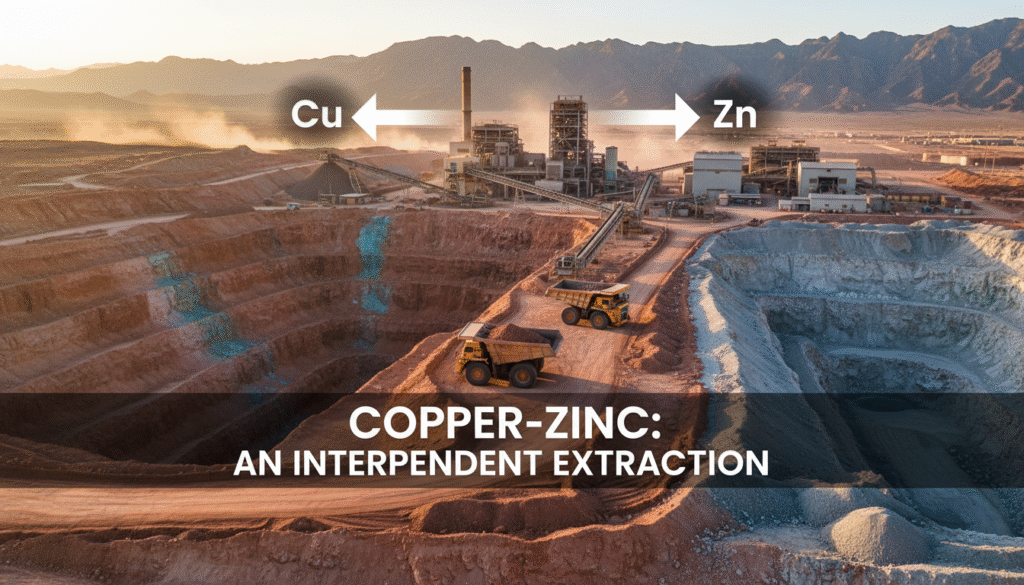
Much of the world’s silver supply moves on the back of other base-metal operations. That link means miners respond first to copper, zinc, and lead economics, not to silver prices alone.
How base-metal cycles shape availability
Plain terms: when copper or zinc output slows, so does incidental silver production. Mines produce multiple metals together, so silver follows the primary metal’s production cycles.
The 30.5 million-ounce shortfall and market impact
Analysts forecast a 30.5 million-ounce supply deficit in 2026. Persistent shortfalls tighten physical markets and raise the odds of sharp price moves.
Stagnant mine output and geopolitical limits
Mine production has stalled in key regions amid stricter rules and local disruptions. Environmental permitting and geopolitical friction keep growth muted.
Stockpiles, export rules, and U.S. exposure
Global stockpiles are reported nearly depleted. China has halted exports in some lines, and the U.S. holds limited strategic reserves, which can amplify domestic procurement pressure.
Why recycling helps only so much
Urban recycling and e-waste recovery offer partial relief. Recycled material can supplement supply, but it cannot replace the multi-year lead times needed to bring new mining projects online.
- By-product production ties silver to copper and zinc cycles.
- Forecast deficit: 30.5 million ounces.
- Regulation, resource nationalism, and low stockpiles increase constraints.
“When a metal becomes strategically important, policy responses can reshape inventories and pricing.”
Critical Minerals Policy and U.S. Infrastructure: How Designations Can Shift Demand
When the Department of the Interior lists a metal as critical, it signals priority for supply security, streamlined permitting, and closer attention from procurement teams and policymakers. That status changes how organizations plan infrastructure projects and manage inventories.
What the designation means for copper and silver
The DOI adding silver and copper to the critical minerals list raises the profile of both metals in the United States. Policymakers monitor these assets more closely, and contractors face new reporting and sourcing expectations.
Tariffs, constraints, and construction costs
Tariffs and global supply constraints can push all-in costs higher for large infrastructure builds. S&P Global notes that materials like copper, cement, and steel already face bottlenecks that raise project budgets and timelines.
Procurement, inventories, and pricing mechanics
Strategic buyers often respond by boosting stockpiles, extending contract durations, or diversifying suppliers. Those actions can tighten near-term physical supply and create regional price premiums even when global benchmarks look stable.
“Policy does not make more metal, but it can pull demand forward and amplify volatility during build cycles.”
- Policy catalyst: DOI designation changes market perception and procurement behavior.
- Practical effect: higher construction costs and longer lead times due to tariffs and constraints.
- Investor side: institutional capital tends to increase attention to related miners and ETFs when a metal is deemed strategic.
Investor Lens: ETFs, Physical Silver, and Institutional Positioning Into 2026
Institutional flows into exchange-traded products have become a fast, visible gauge of market confidence for precious metals. For U.S. investors, fund activity often precedes broader shifts in pricing and inventory tightness.

ETF flows and holdings as a proxy for confidence
In the reported year, ETFs recorded ~130 million ounces of inflows, lifting total holdings to 844 million ounces (+18% YTD).
Why it matters: large, rapid inflows tighten the physical market and signal rising institutional appetite.
Performance snapshots and product structure
Reported returns were strong: AGQ +272%, SLV roughly +113% (other sources cite +119%), and PSLV +129%.
Note: leveraged products like AGQ amplify gains and losses and carry higher short-term risk.
SLV holds bullion in JPMorgan Chase vaults in New York and London. PSLV is a trust that aims to reflect direct ownership of physical metal.
Macro tailwinds and a practical comparison
Analysts point to expected Fed rate cuts, a softer dollar, and geopolitical uncertainty as tailwinds supporting precious metals even as industrial use rises.
Physical ownership and paper exposure each have trade-offs: liquidity and low spreads favor ETFs, while custody, premiums, and tracking error shape physical holdings.
“ETF flows are a near-real-time barometer of institutional conviction.”
- Position sizing should reflect volatility and the higher beta profile versus gold.
- Many investors pair metallic exposure with copper (and sometimes zinc) to capture infrastructure-linked trends.
Silver vs. Copper vs. Zinc: The AI Metals Basket Behind Data Center Growth
Three metals share the workload behind modern compute build-outs, each filling a clear engineering role. This allocation helps contractors and utilities plan material buys and timelines.
Why copper remains the backbone metal for electrical infrastructure
Copper dominates bulk power roles: cabling, transformers, switchgear, grounding and grid interconnection. High-volume conductivity and proven durability make copper the preferred choice where heavy current runs are needed.
Zinc’s role in batteries, energy storage, and corrosion-resistant infrastructure
Zinc supports long-lived installations through galvanizing and corrosion protection for racks, conduits and structural steel. That extends asset life and reduces maintenance costs.
Emerging storage: zinc-ion and zinc-air batteries are gaining attention for stationary energy storage. They offer safety and cost advantages that could matter for resilient on-site power.
How the metals complement one another
Copper handles the heavy electrical load while the more costly silver appears in high-performance contacts and specialist electronic interfaces. They rarely replace each other; they work together in the same systems.
Industry lens: U.S. planners must manage a basket of commodity inputs. Procurement cycles for each metal can diverge, so integrating supply strategies reduces risk as infrastructure and growth pressures rise.
Urgent Update for 2026! Our Top Recommended Company: Metals Edge
Metals Edge Only Deals in BULLION, is a MARKET MAKER, and is a LICENSED, BONDED, and INSURED Floriday Corporation!
Metals Edge will NEVER Sell you Premium or Collectible Metals at Crazy Markups!
They are the best in FAIR PRICES, HONESTY, and CUSTOMER SERVICE.

Get the Metals Edge Investor Guide Right Away
Discover how investors use gold and silver to diversify retirement savings, reduce exposure to paper assets, and pursue more value through low-premium precious metals strategies.

Conclusion
The 2026 run-up shows how industrial build-outs and financial flows combined to reprice a tight precious-metals market.
The metal rose about +132% year-to-date versus gold’s +68%, trading above $67/oz, while the gold‑to‑metal ratio slipped below 65:1. ETF inflows added roughly 130 million ounces, lifting holdings to ~844 million ounces.
Supply remains constrained by by‑product mining, stagnant production and depleted stockpiles, with a forecasted deficit near 30.5 million ounces. Policy moves — including U.S. critical‑minerals designation for the metal and copper — and overlapping industrial channels (EVs, solar, compute) raise sensitivity to shocks.
Watchlist for U.S. readers: power growth rates, ETF holdings, deficit updates, trade limits and further policy actions. For market participants, the metal now behaves as a hybrid asset — part industrial input, part monetary hedge — so track both manufacturing indicators and macro signals.