
This site is reader supported and purchases made through the links may generate a commision.
Thanks for help supporting the site. Information only – not to be considered financial advice.
The world of retirement investing has expanded beyond traditional stocks and bonds. Cryptocurrency IRAs now offer investors a way to hold digital assets within tax-advantaged retirement accounts. BitIRA has emerged as one company serving this growing market, but does it deliver on its promises?
This comprehensive review examines BitIRA’s services, fees, security measures, and customer experience. We analyze what BitIRA offers investors interested in adding crypto to their retirement portfolios. You’ll discover whether this crypto IRA company aligns with your investment goals and risk tolerance.
Understanding cryptocurrency retirement accounts requires careful research. The information here helps you make informed decisions about whether BitIRA is right for your financial future.
New to Crypto IRAs?
Get our free comprehensive guide explaining how cryptocurrency retirement accounts work, tax advantages, and security considerations.
What Is BitIRA and How Does It Work?
BitIRA is a company that helps investors hold cryptocurrencies within Individual Retirement Accounts. The platform enables both traditional IRA and Roth IRA accounts to include digital assets alongside or instead of conventional investments. Founded in 2017, BitIRA partners with qualified custodians to provide IRS-compliant cryptocurrency retirement solutions.

The company serves as an intermediary between investors and the complex infrastructure required for crypto IRA investing. BitIRA handles the technical aspects of purchasing, storing, and securing digital assets within retirement accounts. This approach aims to simplify the process for investors unfamiliar with cryptocurrency custody solutions.
How BitIRA Cryptocurrency IRAs Function
When you open an account with BitIRA, you work with their team to establish a self-directed IRA through a partner custodian. Self-directed IRAs allow alternative investments beyond traditional stocks and bonds. The custodian holds legal ownership of assets on your behalf while you maintain control over investment decisions.
BitIRA offers access to fifteen different cryptocurrencies. Bitcoin and Ethereum represent the most popular choices, but the platform also supports other digital assets. Each cryptocurrency purchase occurs through BitIRA’s partner exchanges, with assets transferred immediately to cold storage wallets.
The company emphasizes security through offline storage solutions. Cold storage keeps private keys disconnected from the internet, reducing exposure to hacking attempts. BitIRA also provides insurance coverage for digital assets held within their storage infrastructure.
Account Types Available Through BitIRA
BitIRA supports several retirement account structures. Traditional IRA accounts allow pre-tax contributions with taxes paid upon withdrawal during retirement. Roth IRA accounts use after-tax contributions but offer tax-free growth and withdrawals in retirement.
The platform also accommodates rollovers from existing retirement accounts. Investors can transfer funds from 401(k) plans, traditional IRAs, or other qualified retirement accounts into a BitIRA crypto account. This process maintains the tax-advantaged status of retirement savings while diversifying into digital assets.
SEP IRAs for self-employed individuals and small business owners are available through the platform. These accounts follow similar structures to traditional IRAs but with higher contribution limits. BitIRA works with investors to determine which account type best suits their financial situation and retirement goals.
Cryptocurrencies and Digital Assets Available
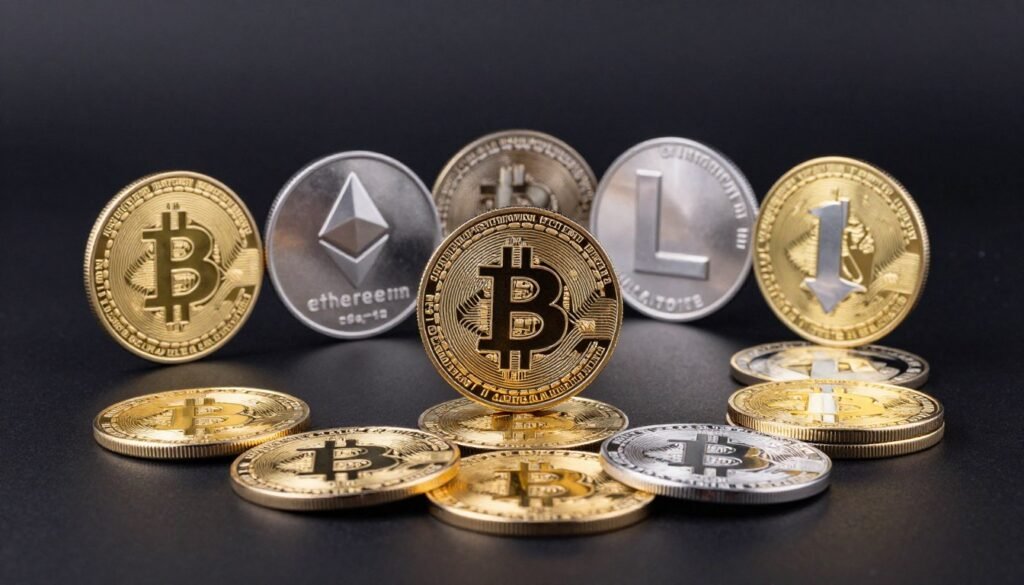
BitIRA provides access to fifteen different cryptocurrencies for retirement account holders. The selection includes established digital assets with substantial market capitalization and trading volume. Bitcoin remains the most popular choice among investors using the platform.
Major Cryptocurrencies Supported
Bitcoin serves as the foundation cryptocurrency for many crypto IRA portfolios. As the first and largest digital asset by market value, Bitcoin offers the most established track record. BitIRA allows investors to allocate any percentage of their retirement funds to Bitcoin.
Ethereum represents the second-largest cryptocurrency and powers thousands of decentralized applications. The Ethereum network enables smart contracts and serves as the foundation for many blockchain innovations. Investors interested in the broader blockchain ecosystem often include Ethereum in their portfolios.
Litecoin provides faster transaction processing than Bitcoin while maintaining similar core principles. Created as “digital silver” to Bitcoin’s “digital gold,” Litecoin offers an alternative for investors seeking established cryptocurrencies with different technical characteristics.
Alternative Digital Assets
BitIRA includes several other cryptocurrencies beyond the top three. Bitcoin Cash emerged from a Bitcoin fork and focuses on faster transactions for everyday purchases. Ripple (XRP) targets cross-border payment solutions for financial institutions.
The platform supports Stellar, Cardano, and several other digital assets. Each cryptocurrency serves different use cases within the broader blockchain ecosystem. Investors can diversify across multiple cryptocurrencies or concentrate holdings in specific digital assets based on their research and conviction.
The company evaluates new cryptocurrencies for potential inclusion based on security considerations, market stability, and investor demand. BitIRA does not support every available cryptocurrency, focusing instead on established digital assets with proven track records.
Popular Crypto Choices
- Bitcoin (BTC) – Market leader
- Ethereum (ETH) – Smart contract platform
- Litecoin (LTC) – Fast transactions
- Bitcoin Cash (BCH) – Payment focused
Additional Options
- Ripple (XRP) – Banking solutions
- Stellar (XLM) – Cross-border payments
- Cardano (ADA) – Proof-of-stake platform
- Other vetted digital assets
Security Measures and Insurance Protection
Security represents a critical concern for cryptocurrency investors. Digital assets face unique risks compared to traditional investments. BitIRA implements multiple security layers to protect customer holdings within their retirement accounts.
Cold Storage Infrastructure
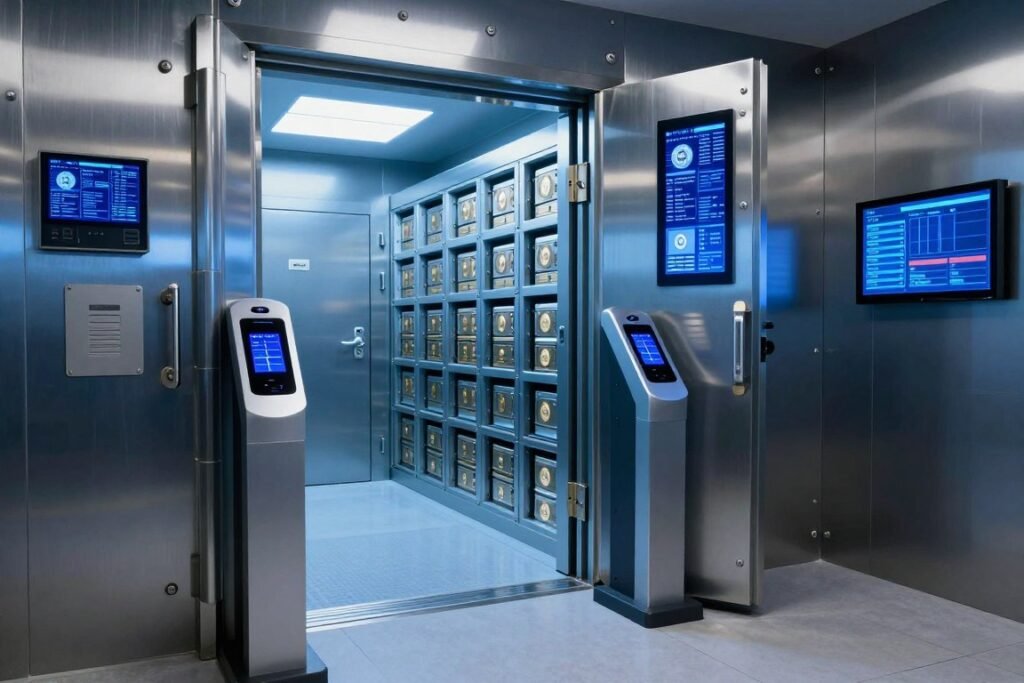
BitIRA stores all customer cryptocurrencies in cold storage wallets. Cold storage refers to keeping private keys offline, disconnected from internet-connected systems. This approach prevents remote hacking attempts since attackers cannot access offline systems.
The company uses multi-signature wallet technology for enhanced security. Multi-signature wallets require multiple cryptographic keys to authorize transactions. This system prevents any single point of failure from compromising customer assets.
Physical security protections safeguard the offline storage infrastructure. BitIRA partners with facilities that provide bank-level security including surveillance systems, armed guards, and restricted access protocols. These measures protect against both digital and physical threats to customer holdings.
Insurance Coverage Details
BitIRA provides insurance protection for cryptocurrencies held in cold storage. The insurance policy covers losses from theft, physical damage to storage media, and other specified risks. This coverage offers additional peace of mind beyond the security measures themselves.
Insurance limits apply to the total value of assets in cold storage. The company maintains coverage through specialized cryptocurrency insurance providers. Traditional FDIC insurance does not apply to cryptocurrency holdings, making this specialized coverage particularly important.
The insurance does not cover all potential losses. Market volatility and price decreases are not insured events. The coverage focuses specifically on security breaches, theft, and physical damage to the storage infrastructure. Investors should understand these limitations when evaluating overall risk.
Custodian Security Standards
BitIRA works with qualified custodians who meet IRS requirements for retirement account administration. These custodians must maintain proper licensing and adhere to regulatory standards. The custodian relationship adds another layer of oversight and accountability to the security process.
Regular security audits verify the integrity of storage systems and procedures. Independent third parties conduct these assessments to identify potential vulnerabilities. BitIRA publishes summary information about their security practices while maintaining confidentiality around specific technical details that could aid attackers.
Want to Understand Crypto IRA Security Better?
Download our free guide with detailed security comparisons, insurance coverage explanations, and questions to ask any crypto IRA provider.
BitIRA Fees and Cost Structure
Understanding the complete fee structure is essential for evaluating any investment platform. Crypto IRA companies typically charge multiple fees covering different services. BitIRA implements a tiered fee structure based on account size and services utilized.

Setup and Account Opening Fees
BitIRA charges an initial setup fee for new accounts. This one-time charge covers the administrative work of establishing the self-directed IRA with the custodian partner. The setup fee typically ranges from several hundred to over a thousand dollars depending on account size.
The custodian also charges annual maintenance fees. These fees cover ongoing account administration, record-keeping, and regulatory compliance. Annual fees vary based on total account value and may include both flat fees and percentage-based charges.
Transaction and Trading Fees
Each cryptocurrency purchase incurs transaction fees. BitIRA charges a markup on cryptocurrency purchases to cover their services and exchange costs. The markup percentage varies based on transaction size, with smaller transactions typically facing higher percentage costs.
Trading fees apply when selling cryptocurrencies or exchanging one digital asset for another. These costs reflect the underlying exchange fees plus BitIRA’s service charges. Frequent trading within a crypto IRA can accumulate significant costs over time.
Wire transfer fees may apply when funding accounts or taking distributions. Traditional bank wires typically cost between twenty-five and fifty dollars per transaction. Some investors minimize these costs by making fewer, larger transfers rather than multiple small deposits.
Storage and Insurance Costs
BitIRA includes storage and insurance costs within their fee structure. The company does not separately itemize these charges, incorporating them into the overall account fees. This approach simplifies fee calculations but makes direct cost comparisons challenging.
Total annual fees generally range from one to three percent of account value. Larger accounts may qualify for reduced percentage fees. Investors should request complete fee disclosures before opening accounts to understand total costs.
| Fee Type | Typical Range | When Charged | Notes |
| Setup Fee | $50 – $500 | One-time at account opening | Covers IRA establishment |
| Annual Account Fee | $200 – $500 | Annually | Custodian and maintenance |
| Transaction Fee | 3% – 15% markup | Each purchase/sale | Varies by transaction size |
| Storage & Insurance | Included in annual fee | Ongoing | Not separately itemized |
| Wire Transfer | $25 – $50 | Per transfer | Funding and distributions |
Fee Comparison Considerations
BitIRA fees align with industry standards for crypto IRA providers. Some competitors charge lower fees but may offer fewer cryptocurrencies or less comprehensive insurance. Other providers charge higher fees but include additional services like portfolio rebalancing.
Investors should evaluate total costs rather than focusing on individual fee components. A lower setup fee matters less if annual maintenance costs run significantly higher. Similarly, slightly higher transaction fees may be acceptable if storage and security exceed competitor offerings.
Opening an Account: The BitIRA Setup Process
The account opening process for a crypto IRA involves several steps beyond traditional brokerage account setup. BitIRA guides investors through establishing a self-directed IRA and funding their cryptocurrency purchases. The company aims to simplify this process while maintaining regulatory compliance.

Initial Consultation and Account Application
The process begins with an initial consultation with a BitIRA representative. During this conversation, the team member explains how crypto IRAs work and answers questions about the platform. They assess whether cryptocurrency investing aligns with your retirement goals and risk tolerance.
You complete an account application providing personal information and selecting your account type. Traditional IRA, Roth IRA, SEP IRA, and rollover options each require slightly different information. The application collects tax identification numbers, employment details, and beneficiary designations.
Identity verification follows standard financial industry protocols. You submit government-issued identification and proof of address. This step complies with Know Your Customer regulations that apply to financial service providers. Digital document upload streamlines this portion of the process.
Funding Your Crypto IRA
Once the custodian approves your application, you fund the account. New contributions follow annual IRA contribution limits set by the IRS. For individuals under age fifty, the limit is six thousand dollars annually. Those fifty and older can contribute an additional one thousand dollars as a catch-up contribution.
Rollover transfers from existing retirement accounts require coordination between custodians. BitIRA assists with the paperwork to transfer funds from previous employers’ 401(k) plans or other IRAs. Direct rollovers avoid tax consequences if executed properly within sixty-day windows.
Wire transfers typically deliver funds within one to three business days. Some investors use existing retirement funds while others make new annual contributions. The BitIRA team confirms when funds arrive and become available for cryptocurrency purchases.
Selecting and Purchasing Cryptocurrencies
After funding your account, you choose which cryptocurrencies to purchase. BitIRA representatives can provide information about different digital assets, but they cannot offer specific investment advice. You maintain control over which cryptocurrencies to buy and in what proportions.
The purchase process occurs through BitIRA’s partner exchanges. You specify the amount to invest in each cryptocurrency, and the team executes the transactions. Purchase prices reflect current market rates plus BitIRA’s transaction fees.
Cryptocurrencies transfer to cold storage within twenty-four to forty-eight hours after purchase. You receive confirmation of the transaction and the amount of each cryptocurrency now held in your IRA. BitIRA provides ongoing account statements showing your holdings and their current values.
Typical Timeline for Account Setup
The complete process from initial consultation to cryptocurrency purchase typically takes one to three weeks. Account approval and funding represent the longest steps, particularly for rollover transfers from other custodians. New contribution accounts generally open faster than rollover accounts.
BitIRA assigns a dedicated account representative who guides you through each step. This personalized approach helps navigate the complex requirements of self-directed IRAs. The representative remains available for questions throughout the account lifetime.
- Schedule initial consultation
- Complete account application
- Submit identity verification
- Fund account via contribution or rollover
- Select cryptocurrencies to purchase
- Confirm transactions and storage
Steps to Open BitIRA Account
Customer Service and User Experience
Customer service quality significantly impacts investor satisfaction with financial service providers. BitIRA emphasizes personalized support through dedicated account representatives. The company’s approach differs from self-service platforms that minimize human interaction.

Support Channels and Availability
BitIRA offers support primarily through phone and email channels. Each customer works with an assigned representative who understands their account history and needs. This continuity prevents repeating information across multiple support interactions.
Phone support operates during standard business hours on weekdays. The company does not currently offer twenty-four-hour support, which may concern investors in different time zones. Email support provides an asynchronous option for non-urgent questions.
Response times for email inquiries typically range from several hours to one business day. Complex questions requiring research may take longer. The personalized service model means you reach actual team members rather than automated chatbots for most interactions.
Educational Resources and Guidance
BitIRA provides educational materials about cryptocurrency investing and retirement accounts. The company publishes articles, guides, and market updates on their website. These resources help investors understand both the technology and investment considerations for digital assets.
The educational content focuses on general information rather than specific investment recommendations. BitIRA representatives cannot provide personalized investment advice due to regulatory restrictions. Investors must make their own decisions about which cryptocurrencies to purchase and when to trade.
New investors particularly benefit from educational support during account setup. The team explains technical concepts like public and private keys, blockchain transactions, and cold storage. This knowledge helps investors understand how their cryptocurrency holdings are secured and managed.
Customer Reviews and Satisfaction
Customer reviews for BitIRA appear on various financial review platforms. Ratings generally fall in the positive range, with most customers reporting satisfaction with the security and service quality. Some reviews praise the educational approach and patience of account representatives.
Common complaints focus on fees and pricing transparency. Some customers express frustration with the total cost structure or feel transaction markups are higher than expected. Fee concerns represent the most frequent criticism across cryptocurrency IRA providers generally.
Processing times for account setup and transactions generate mixed feedback. While some customers complete setup quickly, others experience delays during rollover processes. These delays often stem from the previous custodian rather than BitIRA itself, but they impact overall customer experience.
The company maintains accreditation with the Better Business Bureau and responds to customer complaints. This accountability mechanism provides recourse for investors who encounter problems. The BBB rating offers one indicator of how the company handles dispute resolution.
BitIRA Advantages and Disadvantages
Every investment platform presents trade-offs between features, costs, and services. BitIRA offers specific strengths that appeal to certain investors while presenting limitations that may concern others. Understanding both sides helps determine whether the platform fits your needs.

Advantages of BitIRA
- Comprehensive insurance coverage for digital assets in cold storage protects against security breaches and theft
- Fifteen different cryptocurrencies available provide diversification options beyond Bitcoin
- Dedicated account representatives offer personalized guidance throughout account setup and management
- Cold storage security infrastructure keeps private keys offline and protected from hacking attempts
- Support for multiple IRA types including traditional, Roth, and SEP accounts accommodates different tax strategies
- Rollover assistance simplifies transferring existing retirement funds into cryptocurrency investments
- Multi-signature wallet technology adds extra security layers requiring multiple keys for transactions
- Educational resources help investors understand cryptocurrency technology and investment considerations
- Qualified custodian partnerships ensure IRS compliance for retirement account regulations
- Physical security measures protect cold storage facilities with bank-level protection systems
Disadvantages of BitIRA
- Higher fees compared to self-directed cryptocurrency exchanges without retirement account features
- Transaction markups range from three to fifteen percent depending on purchase size
- Limited cryptocurrency selection compared to general exchanges offering hundreds of digital assets
- No twenty-four-hour customer support availability for urgent questions or concerns
- Account minimums may exclude smaller investors just beginning retirement savings
- Setup process takes one to three weeks compared to instant account opening on consumer exchanges
- Cannot provide personalized investment advice due to regulatory restrictions
- Insurance coverage excludes market losses and price volatility
- Trading flexibility limited compared to active trading platforms with advanced order types
- Fee structure complexity makes total cost comparison challenging across providers
Who Benefits Most from BitIRA?
BitIRA serves investors who prioritize security and insurance over cost minimization. The platform appeals to those who want cryptocurrency exposure within retirement accounts but prefer not to manage technical custody details themselves. Investors comfortable paying premium fees for comprehensive service and security find value in the offering.
The personalized service model particularly benefits investors new to cryptocurrency. Those unfamiliar with blockchain technology, wallet management, and security best practices gain peace of mind from the guided approach. The educational support and dedicated representatives help navigate unfamiliar territory.
Investors with substantial retirement account balances planning significant cryptocurrency allocations appreciate the institutional-grade security. The insurance coverage and cold storage infrastructure provide protections that individual custody solutions cannot easily replicate. These features justify higher costs for investors with larger account values.
Who Should Consider Alternatives?
Cost-conscious investors who prioritize low fees over personalized service may prefer other options. Self-directed platforms with lower cost structures exist for investors comfortable managing their own cryptocurrency custody. These alternatives require more technical knowledge but reduce ongoing expenses.
Active traders seeking frequent transactions face significant costs due to BitIRA’s transaction fee structure. The platform suits buy-and-hold investors better than those who trade regularly. Active trading strategies generate substantial fees that erode returns over time.
Investors wanting exposure to newer or smaller cryptocurrencies need platforms with broader asset selection. BitIRA focuses on established digital assets rather than emerging tokens. Cryptocurrency enthusiasts seeking specific altcoins may require exchanges offering more comprehensive selections.
Ready to Compare Your Options?
Our free Crypto IRA guide includes provider comparison checklists, fee calculators, and step-by-step setup instructions for making informed decisions.
How BitIRA Compares to Other Crypto IRA Companies
The cryptocurrency IRA market includes several established companies offering similar services. Each provider implements different approaches to security, fees, asset selection, and customer service. Understanding these differences helps investors select the platform that best aligns with their priorities.
Bitcoin IRA
Bitcoin IRA represents one of the largest competitors in the crypto IRA space. The company offers a similar range of cryptocurrencies and employs cold storage security measures. Bitcoin IRA generally charges comparable fees to BitIRA, with variations based on account size and services.
One distinguishing feature involves Bitcoin IRA’s trading platform interface. The company provides more self-service tools for investors who prefer managing their own transactions. This approach contrasts with BitIRA’s emphasis on personalized representative assistance.
Insurance coverage differs slightly between the platforms. Both companies provide protection for assets in cold storage, but policy limits and specific terms vary. Investors should review exact coverage details from each provider rather than assuming identical protection.
iTrustCapital
iTrustCapital positions itself as a lower-cost alternative in the crypto IRA market. The platform charges significantly lower transaction fees, typically around one percent compared to BitIRA’s higher markups. This cost structure appeals to fee-sensitive investors and those making frequent transactions.
The trade-off involves reduced personalized service. iTrustCapital operates primarily as a self-service platform where investors manage their own account activities. Customer support exists but follows a more traditional help desk model rather than dedicated representatives.
iTrustCapital also offers precious metals alongside cryptocurrencies within the same IRA. This diversification option appeals to investors seeking both digital and physical alternative assets. BitIRA focuses exclusively on cryptocurrencies without the precious metals component.
Coin IRA
Coin IRA provides cryptocurrency retirement accounts with an emphasis on educational content and market analysis. The company publishes regular market updates and investment insights. This additional content serves investors who want ongoing information beyond basic account management.
Fee structures at Coin IRA generally align with industry norms, including setup fees, annual maintenance charges, and transaction costs. The company offers similar security measures including cold storage and insurance coverage. Specific fee percentages vary based on account size and transaction volume.
Cryptocurrency selection at Coin IRA includes major digital assets similar to BitIRA’s offerings. The platforms support comparable numbers of cryptocurrencies, focusing on established options rather than emerging tokens. Neither provider currently offers the extensive selection available on general cryptocurrency exchanges.
Key Comparison Factors
Security implementations remain fairly consistent across major crypto IRA providers. Most companies employ cold storage, multi-signature wallets, and insurance coverage. Differences appear in specific policy terms, coverage limits, and storage facility partnerships rather than fundamental security approaches.
Fee structures represent the most significant variation between providers. Transaction costs range from under one percent to over ten percent depending on the company and purchase amount. Annual maintenance fees also vary substantially, impacting long-term costs differently based on account size and trading frequency.
Customer service models differ considerably between personalized and self-service approaches. BitIRA and similar companies emphasize dedicated representatives, while cost-focused competitors provide basic support to keep fees lower. Neither approach is inherently superior; the choice depends on investor preferences and technical comfort levels.
| Provider | Service Model | Transaction Fees | Insurance | Unique Features |
| BitIRA | Personalized representatives | 3% – 15% markup | Comprehensive cold storage | 15 cryptocurrencies, educational focus |
| Bitcoin IRA | Self-service platform | Similar to BitIRA | Cold storage protection | Trading interface, largest market presence |
| iTrustCapital | Self-service platform | ~1% per transaction | Standard coverage | Low fees, precious metals option |
| Coin IRA | Representative assisted | Industry standard | Cold storage insurance | Market analysis, educational content |
Tax Advantages and Considerations for Crypto IRAs
Tax treatment represents one of the primary reasons investors choose cryptocurrency IRAs over direct cryptocurrency purchases. Understanding how different account types affect taxes helps optimize retirement savings strategies. The IRS treats cryptocurrency as property, creating specific tax implications for buying, selling, and holding digital assets.

Traditional IRA Tax Benefits
Traditional IRA contributions may reduce your taxable income in the contribution year. If you qualify for the deduction, each dollar contributed to a traditional crypto IRA lowers your current year taxes. This immediate tax benefit appeals to investors in higher tax brackets seeking current-year deductions.
Cryptocurrency holdings within traditional IRAs grow tax-deferred. You pay no taxes on appreciation or trading gains while assets remain in the account. This deferral allows compound growth without annual tax drag that affects taxable cryptocurrency holdings.
Withdrawals during retirement face taxation as ordinary income. The tax rate depends on your income bracket at withdrawal time. This structure works best if you expect lower tax rates in retirement than during your working years.
Roth IRA Tax Advantages
Roth IRA contributions use after-tax dollars and do not provide immediate tax deductions. You pay taxes on the contributed amount in the current year. This upfront tax payment may seem disadvantageous but creates powerful long-term benefits.
Cryptocurrency appreciation within Roth IRAs is completely tax-free if withdrawal rules are followed. Qualified distributions taken after age fifty-nine and a half incur no taxes regardless of how much the cryptocurrency has appreciated. This benefit proves especially valuable for assets experiencing substantial growth.
Roth IRAs also allow tax-free and penalty-free withdrawal of contributions at any time. Only earnings face restrictions and penalties for early withdrawal. This flexibility provides more liquidity than traditional IRAs, though early withdrawals undermine retirement savings goals.
Avoiding Capital Gains Taxes
Direct cryptocurrency ownership outside retirement accounts faces capital gains taxation. Short-term gains on assets held less than one year face ordinary income rates. Long-term gains on assets held over one year qualify for preferential capital gains rates.
Cryptocurrency trading within IRAs avoids these capital gains taxes. You can rebalance between different cryptocurrencies without triggering taxable events. This flexibility supports active management strategies impossible to execute tax-efficiently in taxable accounts.
The tax benefit proves especially valuable during bull markets when frequent trading might otherwise generate substantial capital gains liabilities. IRA structures allow capturing gains and reallocating without immediate tax consequences.
Required Minimum Distributions
Traditional IRAs require minimum distributions beginning at age seventy-three. These mandated withdrawals force account holders to take taxable distributions annually based on IRS life expectancy tables. Cryptocurrency volatility complicates this requirement if prices drop before required distributions.
Roth IRAs do not require distributions during the account holder’s lifetime. This flexibility allows unlimited tax-free growth if you do not need retirement account funds for living expenses. Roth IRAs also provide better estate planning benefits by passing to heirs without income tax obligations.
Self-Dealing and Prohibited Transactions
IRA rules prohibit certain transactions considered self-dealing. You cannot use IRA-held cryptocurrencies as collateral for personal loans or directly benefit from IRA assets before retirement. Violations result in account disqualification and immediate taxation plus penalties.
Cryptocurrency purchased within an IRA must remain in the IRA custody structure. You cannot transfer digital assets between personal wallets and IRA wallets. This restriction prevents using IRA funds for current consumption while maintaining tax advantages.
Working with qualified custodians like those partnering with BitIRA helps ensure compliance. The custodian monitors transactions for prohibited activities and prevents rule violations. This oversight protects investors from inadvertent mistakes that could trigger tax consequences.
Risks and Important Considerations
Cryptocurrency investing carries substantial risks even within tax-advantaged retirement accounts. Understanding these risks helps investors make informed decisions about appropriate allocation levels. BitIRA and similar providers cannot eliminate the inherent volatility and uncertainty of digital assets.
Cryptocurrency Price Volatility
Digital asset prices experience extreme volatility compared to traditional investments. Bitcoin and other cryptocurrencies regularly see price swings of ten to twenty percent or more in single days. These dramatic movements can significantly impact retirement account values over short periods.
Long-term cryptocurrency price trajectories remain uncertain despite historical growth. Past performance provides no guarantee of future results, particularly for an asset class with limited historical data. Retirement accounts typically span decades, but cryptocurrency has existed only since 2009.
Volatility impacts retirement planning differently depending on your timeline. Younger investors with decades until retirement can potentially recover from price crashes. Investors nearing retirement face greater risk if substantial price drops occur when they need to access funds.
Regulatory and Legal Uncertainties
Cryptocurrency regulation continues evolving as governments worldwide develop frameworks for digital assets. Regulatory changes could impact cryptocurrency values, accessibility, or legal status. The IRS may also modify rules governing cryptocurrency IRAs as the market develops.
Some countries have banned or severely restricted cryptocurrency use. While outright prohibition seems unlikely in the United States, increased regulation could affect cryptocurrency values and investor sentiment. Investors should monitor regulatory developments that might impact their holdings.
Tax law changes could alter the benefits of cryptocurrency IRAs. Current rules provide tax advantages, but future legislation might modify deduction eligibility, contribution limits, or distribution requirements. These changes affect long-term retirement planning assumptions.
Technology and Security Risks
Blockchain technology underlying cryptocurrencies faces ongoing development and potential vulnerabilities. While major cryptocurrencies have operated securely for years, undiscovered security flaws could emerge. Technology risks differ from traditional investment risks tied to business performance.
Despite robust security measures, no system offers perfect protection. Insurance coverage provides some protection, but policy limits may not cover total losses in catastrophic scenarios. Investors should understand both security measures and their limitations.
Individual cryptocurrencies face specific technology risks. Network upgrades, hard forks, or protocol changes can impact cryptocurrency values and functionality. Some cryptocurrencies have experienced significant problems during major technical transitions.
Liquidity and Access Considerations
IRA withdrawals before age fifty-nine and a half typically incur ten percent penalties plus ordinary income taxes. This restriction limits access to cryptocurrency holdings during market opportunities or personal financial emergencies. The penalty encourages long-term holding but reduces flexibility.
Converting cryptocurrency back to dollars within IRAs takes longer than exchanges outside retirement accounts. The process involves coordinating with the custodian and following IRA distribution rules. This delay prevents immediate response to market movements or personal needs.
Some cryptocurrencies experience liquidity challenges during market stress. While Bitcoin and Ethereum maintain deep markets, smaller cryptocurrencies may face wider bid-ask spreads and difficulty executing large transactions. IRA structures add another layer to liquidity considerations.
Concentration Risk
Allocating substantial retirement savings to cryptocurrency creates concentration risk. Traditional portfolio management suggests diversification across multiple asset classes to reduce risk. Heavy cryptocurrency allocation contradicts this principle and amplifies potential losses.
Financial advisors typically recommend limiting alternative investments to small percentages of total portfolios. Cryptocurrency represents a particularly speculative alternative investment due to its volatility and limited track record. Investors should carefully consider appropriate allocation levels based on their risk tolerance and retirement timeline.
Even within cryptocurrency holdings, concentration in one or two digital assets increases risk. Diversifying across multiple cryptocurrencies helps, but all digital assets tend to move together during major market shifts. Cryptocurrency diversification provides less protection than diversifying between truly uncorrelated assets.
Is a BitIRA Crypto IRA Right for You?
Determining whether cryptocurrency belongs in your retirement portfolio requires honest assessment of your financial situation, risk tolerance, and investment timeline. BitIRA offers one path to cryptocurrency IRA investing, but it suits some investors better than others. Several factors help determine whether this approach aligns with your retirement goals.

Ideal Candidate Characteristics
The ideal BitIRA investor combines several characteristics. You have established emergency savings covering six months of expenses outside retirement accounts. This foundation ensures you won’t need to access retirement funds for unexpected costs, avoiding penalties and undermining long-term goals.
You understand cryptocurrency technology and accept the associated risks. BitIRA provides education, but investors should research digital assets independently before committing retirement funds. Comfort with volatility and uncertainty proves essential for cryptocurrency investing success.
Your retirement timeline extends at least ten years into the future. Longer time horizons allow recovery from potential price crashes and provide opportunity for appreciation. Investors approaching retirement should limit cryptocurrency exposure or avoid it entirely due to volatility risks.
You seek cryptocurrency exposure but prefer not to manage technical custody details yourself. BitIRA’s service model appeals to investors who want professional storage and security management. Those comfortable with personal wallet management might choose lower-cost alternatives.
Warning Signs This May Not Fit
Several indicators suggest cryptocurrency IRAs may not suit your situation. If you carry high-interest debt, paying off balances provides guaranteed returns exceeding most investment expectations. Cryptocurrency investing makes little sense while paying credit card interest rates above fifteen percent.
Investors without established traditional retirement savings should prioritize building core holdings first. Cryptocurrency should represent a small percentage of total retirement assets, not the foundation. Building a base of stocks, bonds, and other traditional investments creates stability before adding speculative alternatives.
Those who panic during market downturns likely cannot psychologically handle cryptocurrency volatility. Digital assets experience price drops of fifty percent or more during bear markets. Investors who sell during downturns lock in losses and undermine long-term success. Emotional selling proves especially problematic with volatile assets.
Investors requiring maximum liquidity should avoid tying funds in IRAs with early withdrawal penalties. The combination of IRA restrictions and cryptocurrency volatility creates significant barriers to accessing capital when needed. Alternative investment structures provide more flexibility if liquidity concerns exist.
Appropriate Allocation Levels
Financial experts generally recommend limiting cryptocurrency to five to ten percent of total investment portfolios. This allocation provides meaningful exposure if cryptocurrency appreciates substantially while limiting damage if values collapse. Conservative investors might choose even smaller allocations of one to three percent.
Allocation decisions should account for cryptocurrency holdings outside retirement accounts. If you already own cryptocurrency in taxable accounts, you may not need additional exposure within IRAs. Total cryptocurrency exposure across all accounts determines overall risk level.
Age and time horizon significantly impact appropriate allocation levels. Younger investors with decades until retirement can potentially justify higher allocations given time to recover from downturns. Investors within ten years of retirement should minimize cryptocurrency exposure to protect accumulated savings.
Risk tolerance varies significantly between individuals regardless of age. Conservative investors uncomfortable with volatility should limit or avoid cryptocurrency even with long time horizons. Aggressive investors willing to accept substantial risk might allocate more, though concentration risks still apply.
Questions to Ask Yourself
Before opening a crypto IRA with BitIRA or any provider, consider several key questions. Can you afford to lose the entire amount invested without derailing retirement plans? While total loss seems unlikely, cryptocurrency’s volatility makes significant declines possible. Only invest amounts you can afford to lose.
Do you understand how cryptocurrencies work and what drives their value? Investing in assets you don’t understand increases risk. Research blockchain technology, cryptocurrency use cases, and factors affecting prices before committing retirement funds.
Have you compared fees across multiple crypto IRA providers? BitIRA’s costs may suit some investors but others benefit from lower-fee alternatives. Understanding total cost impact over decades helps optimize long-term returns.
Does cryptocurrency investing align with your values and beliefs about money? Some investors embrace digital assets’ decentralization and technology, while others question their fundamental value. Investment success requires conviction during difficult periods, so alignment with personal beliefs matters.
Alternative Ways to Gain Cryptocurrency Exposure
Crypto IRAs represent just one approach to cryptocurrency investing. Several alternatives provide digital asset exposure through different structures, each with distinct advantages and trade-offs. Understanding these options helps investors choose the approach that best fits their circumstances.
Direct Cryptocurrency Ownership
Purchasing cryptocurrency through regular exchanges like Coinbase or Kraken provides direct ownership without retirement account structures. This approach offers maximum flexibility for buying, selling, and transferring digital assets. Transaction costs typically run much lower than crypto IRA markups.
Direct ownership requires managing your own cryptocurrency security. Investors must choose between exchange custody or personal wallet management. Exchange storage offers convenience but exposes holdings to platform risks. Personal wallets provide control but require technical knowledge and careful key management.
Tax treatment differs significantly from IRA structures. Direct cryptocurrency holdings face capital gains taxation on all sales and trades. This tax treatment reduces flexibility for rebalancing and creates tax reporting requirements. Long-term holdings benefit from preferential capital gains rates, partially offsetting the IRA tax advantages.
Cryptocurrency Exchange-Traded Funds
Cryptocurrency ETFs provide exposure through traditional brokerage accounts without directly holding digital assets. These funds can be purchased within standard IRAs through regular brokers like Fidelity or Vanguard. This approach combines cryptocurrency exposure with familiar investment structures.
Bitcoin futures ETFs have traded in the United States since 2021, offering regulated cryptocurrency exposure. Spot Bitcoin ETFs gained approval in 2024, providing more direct price tracking. These products trade on major exchanges during market hours like traditional stocks.
ETF fees generally run lower than crypto IRA markups but include annual expense ratios. Tracking error may cause ETF performance to diverge slightly from underlying cryptocurrency prices. However, ETFs provide liquidity, regulatory oversight, and integration with existing investment accounts.
Cryptocurrency Stocks and Related Equities
Investing in companies involved in cryptocurrency provides indirect exposure through traditional stock ownership. Mining companies, exchanges, payment processors, and blockchain technology firms offer cryptocurrency correlation without direct digital asset ownership.
These stocks trade on major exchanges within standard retirement accounts. Investors access cryptocurrency sector growth without managing digital wallets or specialized custody. Stock ownership provides dividends in some cases and follows familiar investment structures.
Correlation with cryptocurrency prices varies by company and market conditions. Some crypto-related stocks demonstrate high correlation during bull markets but diverge during downturns. Company-specific factors like management quality and competitive position significantly impact returns beyond cryptocurrency price movements.
Cryptocurrency Mining and Staking
Mining involves using computer hardware to validate cryptocurrency transactions and earn rewards. This approach generates cryptocurrency holdings through active participation rather than direct purchase. Mining profitability depends on electricity costs, hardware investments, and cryptocurrency prices.
Proof-of-stake cryptocurrencies allow earning rewards through staking without expensive mining equipment. Investors lock up holdings to support network security and earn additional cryptocurrency over time. Staking returns vary by cryptocurrency but often range from three to ten percent annually.
Neither mining nor staking integrates well with IRA structures due to complexity and self-dealing restrictions. These approaches work better for direct cryptocurrency ownership in taxable accounts. Tax treatment of mining and staking income creates additional reporting requirements.
Blockchain Technology Investments
Investors can gain exposure to blockchain technology without cryptocurrency ownership through various vehicles. Blockchain-focused mutual funds invest in companies developing or utilizing distributed ledger technology. These funds provide diversification across the blockchain ecosystem.
Venture capital funds and private placements offer access to early-stage blockchain companies before public offerings. These investments carry high risk but potential for substantial returns if companies succeed. Accredited investor requirements limit access to these opportunities.
Traditional technology companies increasingly incorporate blockchain into their operations. Investing in established tech firms provides some blockchain exposure within diversified business models. This indirect approach offers more stability than pure cryptocurrency plays.
Getting Started with BitIRA: Next Steps
If you decide BitIRA aligns with your retirement investment strategy, several steps prepare you for a successful account opening experience. Proper preparation streamlines the process and helps you make informed decisions about cryptocurrency allocations within your retirement portfolio.

Research and Education Phase
Before contacting BitIRA or any crypto IRA company, invest time in cryptocurrency education. Understanding blockchain technology, how different cryptocurrencies function, and factors affecting prices builds the foundation for informed investing. Numerous free resources explain these concepts for beginners.
Study the specific cryptocurrencies you might purchase through your IRA. Research each digital asset’s use case, development team, competitive position, and market dynamics. This knowledge helps you make allocation decisions aligned with your investment thesis rather than following hype.
Review your overall financial situation including emergency savings, debt levels, and existing retirement account balances. Cryptocurrency should complement rather than replace traditional retirement investments. Ensure you have appropriate foundations before adding speculative alternative assets.
Determining Your Strategy
Decide which IRA type suits your tax situation before opening an account. Traditional IRAs benefit investors in high current tax brackets expecting lower rates in retirement. Roth IRAs work better for younger investors or those expecting higher future tax rates. Consider consulting a tax professional about your specific circumstances.
Establish target allocation percentages for cryptocurrency within your retirement portfolio. Determine how much to allocate initially and whether you plan to add through regular contributions or one-time transfers. Set guidelines for when you might rebalance based on price movements.
Choose which cryptocurrencies to include in your IRA holdings. Some investors prefer concentrating in Bitcoin as the most established digital asset. Others diversify across multiple cryptocurrencies to reduce individual asset risk. Your research should inform these allocation decisions.
Gathering Required Documentation
Collect necessary documents before starting the application process. Government-issued photo identification such as a driver’s license or passport proves your identity. Proof of address through utility bills or bank statements may be required for verification.
If planning a rollover from an existing retirement account, gather account statements and contact information for your current custodian. BitIRA needs this information to coordinate the transfer. Direct rollovers require paperwork from both the sending and receiving custodians.
Prepare funding sources for your crypto IRA. Determine whether you will make new annual contributions, roll over existing retirement funds, or use a combination. Having these details ready speeds the account opening process.
Initial Consultation Process
Contact BitIRA to schedule an initial consultation with one of their representatives. This conversation provides opportunity to ask questions about their services, fees, and processes. The representative assesses whether cryptocurrency IRAs suit your situation and explains how their platform works.
Prepare questions about specific concerns or areas where you need clarity. Ask about total cost projections based on your expected account size and trading frequency. Request details about insurance coverage limits and terms. Understanding these elements before committing helps avoid surprises later.
The consultation should feel educational rather than high-pressure. Legitimate providers like BitIRA focus on helping you understand options rather than pushing immediate decisions. If you feel pressured or uncomfortable, consider that a warning sign to research alternatives.
Making Your Decision
After gathering information and completing consultations, take time to evaluate your decision. Compare BitIRA’s offerings against competitor platforms you researched. Consider whether the fee structure, service model, and cryptocurrency selection align with your needs and preferences.
Review your allocation strategy one final time before funding an account. Ensure cryptocurrency exposure fits within your broader financial plan and risk tolerance. Remember that retirement account decisions carry long-term implications due to early withdrawal penalties.
If you proceed with BitIRA, follow their account opening process carefully. Complete all required forms accurately and respond promptly to requests for additional information. The smoother you navigate the setup process, the faster you can begin implementing your cryptocurrency IRA strategy.
Start Your Crypto IRA Journey Informed
Download our comprehensive free guide now to explore whether BitIRA or another crypto IRA provider is right for your retirement goals. Get provider comparisons, security checklists, and expert insights.
Frequently Asked Questions About BitIRA

What is the minimum investment required to open a BitIRA account?
BitIRA typically requires a minimum investment of around five thousand to ten thousand dollars to open an account. The exact minimum may vary based on the type of IRA and current company policies. This minimum ensures the account size justifies the setup and maintenance fees. Investors with smaller amounts might consider accumulating savings before opening a crypto IRA or exploring alternatives with lower minimums.
How long does it take to set up a BitIRA cryptocurrency IRA?
The complete setup process typically takes one to three weeks from initial consultation to cryptocurrency purchase. Account approval and funding represent the longest portions of this timeline. New contribution accounts generally process faster than rollover transfers, which require coordination between custodians. The BitIRA team provides updates throughout the process so you understand where your application stands.
Can I transfer my existing IRA or 401(k) into a BitIRA account?
Yes, BitIRA accepts rollovers from existing retirement accounts including traditional IRAs, Roth IRAs, and 401(k) plans from previous employers. Direct rollovers avoid tax consequences if executed properly within IRS guidelines. The BitIRA team assists with the rollover paperwork and coordinates with your current custodian. Rollovers must follow specific rules to maintain tax-advantaged status, so working with experienced providers helps ensure compliance.
What cryptocurrencies can I hold in a BitIRA account?
BitIRA supports fifteen different cryptocurrencies including Bitcoin, Ethereum, Litecoin, Bitcoin Cash, Ripple, Stellar, and Cardano among others. The company focuses on established digital assets with substantial market capitalization rather than newer or smaller tokens. You can allocate your retirement funds across multiple cryptocurrencies or concentrate in specific digital assets based on your investment strategy. BitIRA periodically evaluates additional cryptocurrencies for potential inclusion based on security and investor demand.
How are my cryptocurrencies stored and protected?
BitIRA stores all customer cryptocurrencies in cold storage wallets disconnected from the internet. This offline storage approach protects against remote hacking attempts. The company uses multi-signature wallet technology requiring multiple cryptographic keys for transactions. Physical security measures protect the storage facilities including surveillance systems and restricted access. Insurance coverage provides additional protection against theft and physical damage to storage infrastructure.
What fees does BitIRA charge for cryptocurrency IRA services?
BitIRA charges several fees including a one-time setup fee, annual account maintenance fees, and transaction markups on cryptocurrency purchases and sales. Setup fees typically range from fifty to five hundred dollars. Annual maintenance runs from two hundred to five hundred dollars depending on account size. Transaction fees vary from three to fifteen percent based on purchase amount. Storage and insurance costs are included in the fee structure rather than separately itemized. Request complete fee disclosures before opening an account to understand total costs.
Can I take physical possession of cryptocurrency in my IRA?
No, IRS rules prohibit taking direct possession of IRA assets before retirement age without tax consequences and penalties. Cryptocurrencies must remain in qualified custodian custody to maintain the IRA’s tax-advantaged status. Attempting to transfer IRA cryptocurrencies to personal wallets would trigger distribution rules including taxes and potential penalties. The custodian maintains legal ownership on your behalf while you control investment decisions about which cryptocurrencies to hold.
What happens to my crypto IRA if BitIRA goes out of business?
Your cryptocurrencies are held by a qualified custodian separate from BitIRA’s business operations. If BitIRA ceased operations, your assets would remain with the custodian. You would work directly with the custodian or transfer to another crypto IRA provider. The separation between BitIRA as a service provider and the custodian as asset holder protects investors from company business risks. This structure follows IRA regulations requiring independent custodians for retirement accounts.
Can I trade cryptocurrencies frequently within my BitIRA account?
Yes, you can trade cryptocurrencies within your IRA, but transaction fees make frequent trading expensive. Each purchase or sale incurs BitIRA’s transaction markup ranging from three to fifteen percent. Active trading strategies accumulate substantial costs that erode returns. The platform suits buy-and-hold investors better than frequent traders. IRA structures benefit from tax-free trading, but high transaction costs offset this advantage if you trade often.
Are BitIRA cryptocurrency IRAs FDIC insured?
No, FDIC insurance does not cover cryptocurrency holdings. FDIC insurance protects bank deposits up to certain limits but does not extend to digital assets or investment securities. BitIRA provides specialized cryptocurrency insurance covering theft and physical damage to storage infrastructure. This private insurance differs from FDIC coverage in scope and limits. Investors should review the specific insurance policy terms to understand what protections apply and coverage limits that may affect their holdings.
Final Thoughts: Making Your BitIRA Decision
BitIRA offers a structured approach to holding cryptocurrencies within tax-advantaged retirement accounts. The platform emphasizes security through cold storage and insurance while providing personalized service through dedicated account representatives. These features appeal to investors who want cryptocurrency exposure but prefer professional custody management over self-directed solutions.

The fee structure represents the most significant trade-off. BitIRA charges substantially more than self-directed cryptocurrency exchanges without retirement account features. Transaction markups ranging from three to fifteen percent reduce returns compared to direct cryptocurrency ownership. Annual maintenance fees add to the total cost burden over time.
These costs buy convenience, security, and regulatory compliance. Investors who lack technical expertise or time to manage cryptocurrency custody may find the fees worthwhile. The insurance coverage and professional storage provide protections difficult to replicate individually. The IRA structure also delivers meaningful tax advantages for long-term holders.
Cryptocurrency investing carries substantial risks regardless of the custody solution. Digital asset prices demonstrate extreme volatility that can threaten retirement savings. Regulatory uncertainties, technology risks, and the limited historical track record add to the concerns. Only investors who understand and accept these risks should allocate retirement funds to cryptocurrencies.
BitIRA suits specific investor profiles better than others. The platform works best for those with established traditional retirement savings seeking modest cryptocurrency exposure within tax-advantaged accounts. Investors comfortable with volatility, holding long time horizons, and valuing professional custody find the offering most compelling. Cost-conscious investors or active traders may prefer alternatives with lower fees.
The decision ultimately depends on your individual circumstances, risk tolerance, and investment objectives. Cryptocurrency belongs in retirement portfolios only after careful consideration of how it fits your broader financial plan. The potential for appreciation must be weighed against the very real possibility of significant losses.
Before committing to any crypto IRA provider, research multiple options and compare their offerings thoroughly. Request complete fee disclosures and understand exactly what you pay for different account sizes and trading patterns. Review security measures, insurance coverage, and customer service quality across providers.
Consider consulting with financial and tax professionals about your specific situation. General guidance cannot replace personalized advice accounting for your unique circumstances. Professional input helps determine appropriate cryptocurrency allocation levels and account structures for your needs.
If you move forward with BitIRA, start with modest allocations you can afford to lose without derailing retirement plans. Monitor your holdings regularly and rebalance if cryptocurrency exposure grows beyond target percentages due to appreciation. Maintain discipline during both bull markets and downturns, remembering retirement investing requires long-term thinking.
The cryptocurrency IRA market continues evolving with new providers, improved technology, and changing regulations. Stay informed about developments affecting your investments. BitIRA represents one option in a growing field of cryptocurrency retirement solutions. Making informed choices requires ongoing education and careful evaluation of how these investments serve your long-term financial security.