
Disclosure: This site is reader supported and purchases made through the links may generate a commision. Thanks for help supporting the site. Information only – not to be considered financial advice.
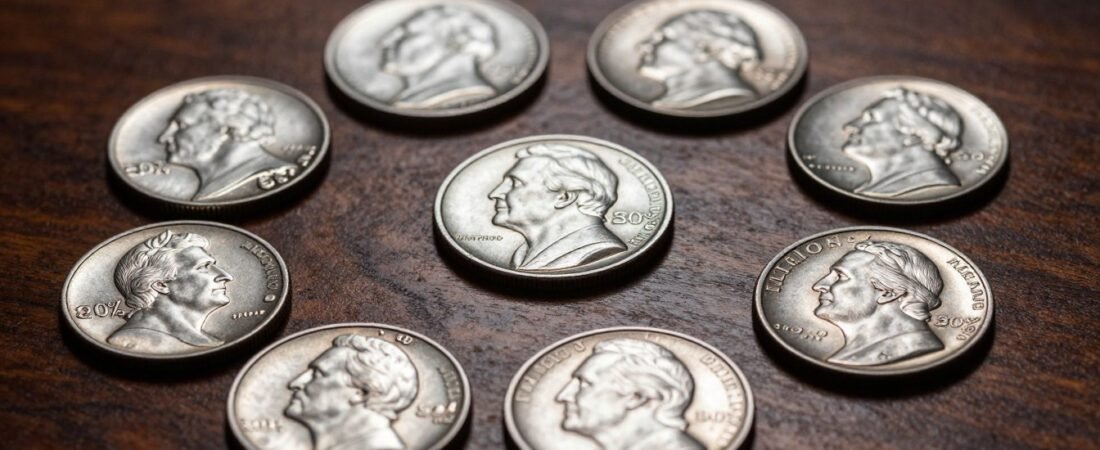
Silver coins have captured attention for decades. Pre-1965 U.S. coins contain substantial amounts of precious metal. These pieces carry value beyond their face amount.
Understanding this market helps owners make informed decisions. Knowing who purchases these items matters. Learning current pricing trends proves essential. Finding reputable dealers protects your investment.
This guide covers everything about the junk silver market. You will discover buyer categories and payment structures. We explore trusted selling venues and pricing factors.
Metals Edge offers expert guidance for silver coin transactions. Their specialists provide fair evaluations and transparent pricing.
Understanding 90% Silver Coins and Their Appeal
What Makes These Coins Valuable
United States minted coins with high silver content through 1964. These pieces contain exactly 90% silver and 10% copper. The composition gave coins durability while maintaining precious metal value.
Dimes, quarters, and half dollars from this era share identical metal composition. Each coin type holds specific troy ounces of silver based on weight. This standardization simplifies value calculation for investors and dealers.
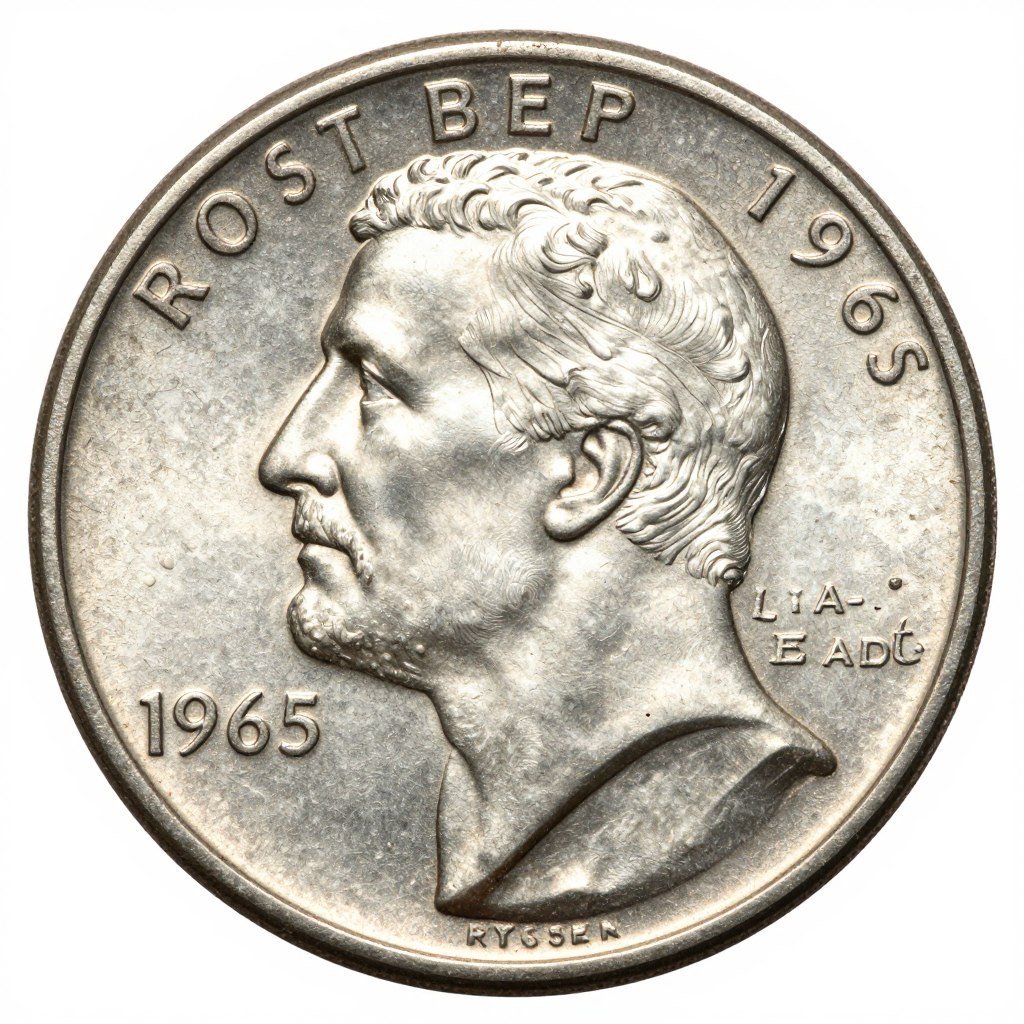
The term junk silver emerged from the coin collecting community. It describes silver coins valued primarily for metal content rather than numismatic rarity. These pieces lack collectible premiums but offer pure investment potential.
Historical Context and Production
The Coinage Act of 1965 changed American currency forever. Rising silver prices made coin production expensive. The government switched to copper-nickel clad compositions for everyday circulation.
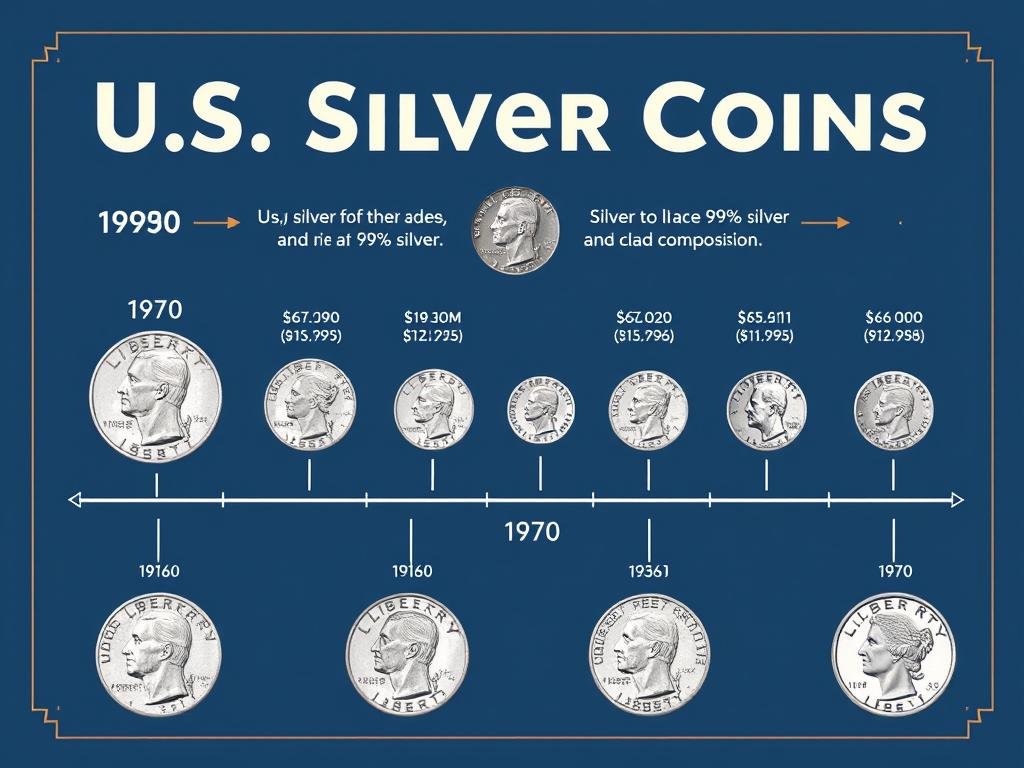
Kennedy half dollars received special treatment during this transition. Production continued with 40% silver content through 1970. After this date, all circulating coins contained no silver.
Millions of pre-1965 coins remain in existence today. Many circulated for years before collectors recognized their intrinsic value. Banks and individuals hoarded these pieces as silver prices climbed.
Key Fact: A single dollar of face value in 90% silver coins contains approximately 0.715 troy ounces of pure silver. This ratio helps determine current market value based on spot pricing.
Silver Content Breakdown by Coin Type
Calculating Metal Weight in Different Denominations
Each coin denomination contains specific amounts of precious metal. Understanding these weights helps evaluate holdings accurately. Dealers use this information to determine purchase offers.
| Coin Type | Face Value | Total Weight | Silver Content | Troy Ounces Silver |
| Roosevelt Dime | $0.10 | 2.50 grams | 90% | 0.0723 |
| Washington Quarter | $0.25 | 6.25 grams | 90% | 0.1808 |
| Kennedy Half Dollar | $0.50 | 12.50 grams | 90% | 0.3617 |
| Walking Liberty Half | $0.50 | 12.50 grams | 90% | 0.3617 |
| Franklin Half Dollar | $0.50 | 12.50 grams | 90% | 0.3617 |
Common Bulk Measurements
Dealers often purchase junk silver in standardized quantities. Bags represent the most common bulk measurement unit. A standard bag contains specific face value amounts.
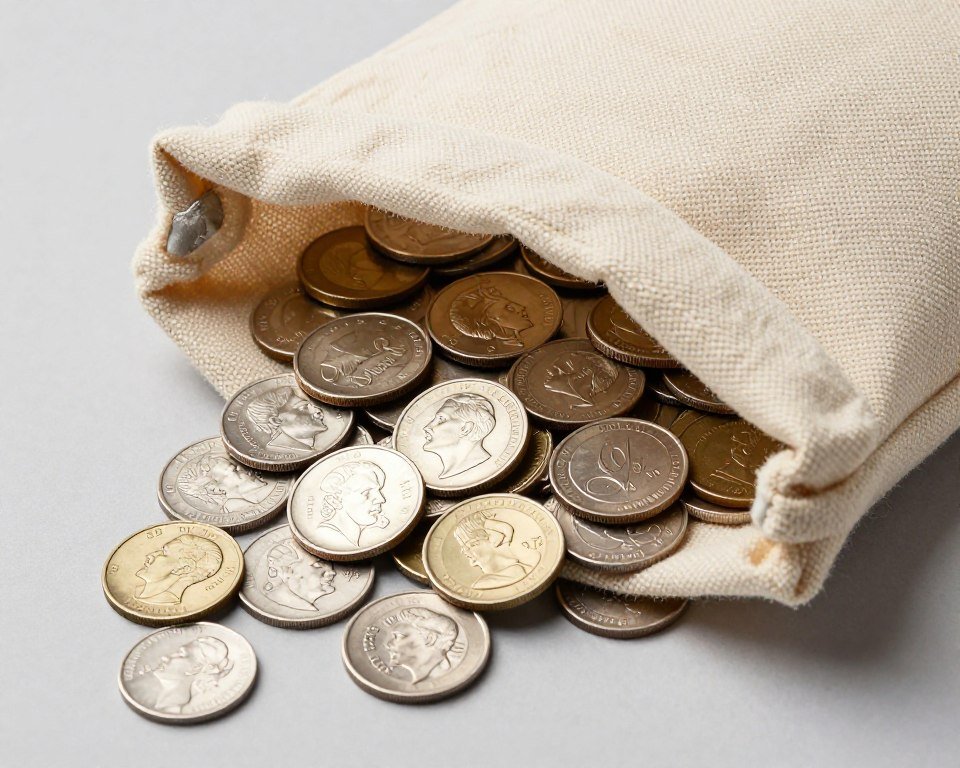
The thousand-dollar face value bag serves as industry standard. This bag weighs approximately 715 troy ounces of pure silver. Smaller bags with lower face values also circulate in the market.
- $100 face value bag: Contains roughly 71.5 troy ounces of silver
- $500 face value bag: Holds approximately 357.5 troy ounces of silver
- $1,000 face value bag: Standard size with 715 troy ounces of silver
- Mixed denomination bags: Combine dimes, quarters, and half dollars
Individual coins appeal to smaller investors. Half dollars offer convenient mid-range options. Dimes provide flexibility for precise value calculations.
Get Expert Silver Coin Evaluation
Metals Edge provides accurate assessments based on current silver content and market pricing. Their specialists help you understand your holdings’ true value.
Who Buys 90% Silver Coins

Private Investors and Collectors
Individual investors form a substantial buyer category. These people purchase silver coins for portfolio diversification. Physical precious metals provide protection against economic uncertainty.
Collectors seek specific dates and mint marks. Some focus on completing sets from particular years. Others acquire coins in exceptional condition for numismatic value.
Stackers accumulate junk silver purely for metal content. They view these coins as tangible assets with intrinsic value. This group typically purchases in larger quantities for long-term holding.
Professional Dealers and Coin Shops
Established dealers maintain consistent buying operations. Local coin shops purchase from walk-in customers daily. These businesses resell to collectors and investors at retail markup.
Online precious metals dealers operate at larger scales. Companies like Metals Edge process significant volumes of junk silver. They offer competitive pricing based on real-time spot prices.
Regional Coin Shop Characteristics
- Immediate payment and local convenience
- Personal relationships and repeat business
- Smaller transaction volumes
- Variable pricing based on inventory needs
- Face-to-face transaction security
National Dealer Advantages
- Competitive pricing due to volume
- Professional grading and assessment
- Multiple payment methods available
- Shipping and insurance options
- Market expertise and resources
Refineries and Smelters
Industrial refineries purchase bulk quantities for melting. These facilities extract pure silver from coin alloys. Refiners typically work with dealers rather than individual sellers.

The refining process recovers silver for industrial applications. Electronics manufacturing consumes significant amounts. Jewelry production and photography also require refined silver.
Banks and Financial Institutions
Some banks maintain precious metals departments. These institutions purchase coins from estate sales and collections. Banks often partner with dealers for assessment and pricing.
Credit unions occasionally buy silver coins from members. Most financial institutions prefer working through established dealers. Direct bank purchases remain less common than dealer transactions.
Industry Insight: Professional dealers like Metals Edge understand market dynamics better than casual buyers. Their expertise ensures fair transactions based on current metal prices and coin conditions.
Pawn Shops and Secondary Markets
Pawn shops accept silver coins as collateral or purchase. Their offers typically fall below dealer rates. Quick cash needs sometimes justify lower selling prices.
Online marketplaces connect private buyers and sellers. Platforms carry transaction risks including fraud. Sellers sacrifice convenience for potentially higher prices in peer-to-peer sales.
What Buyers Pay for 90% Silver Coins
Understanding Spot Price Relationships
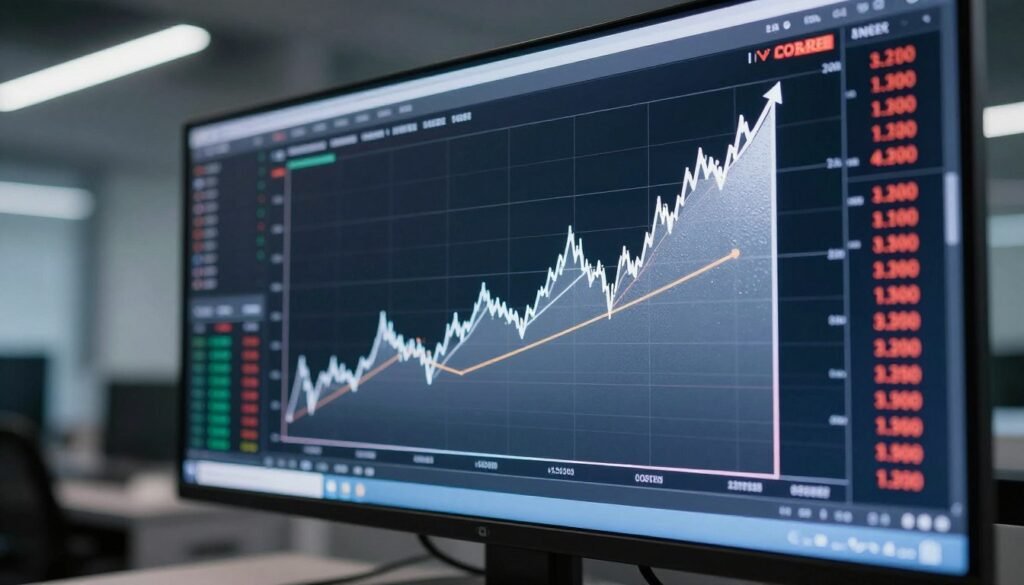
Silver spot price forms the foundation for all valuations. This price represents pure silver trading on commodity exchanges. Buyers calculate offers based on spot price multiplied by silver content.
The calculation follows a simple formula for junk silver. Face value multiplied by 0.715 equals troy ounces of pure silver. This amount multiplied by spot price gives base value.
Example Calculation: With silver at $25 per troy ounce, $10 face value in 90% silver coins contains 7.15 troy ounces. Base value equals $178.75 before dealer premiums or discounts.
Typical Buyer Payment Percentages
Dealers pay percentages of spot price rather than full metal value. This spread covers business costs and profit margins. Payment rates vary by dealer type and market conditions.
| Buyer Type | Typical Payment Rate | Payment Speed | Volume Preference |
| Reputable Online Dealers | 95-98% of spot | 1-3 business days | Any amount |
| Local Coin Shops | 90-95% of spot | Immediate | Small to medium |
| Pawn Shops | 70-85% of spot | Immediate | Small amounts |
| Wholesale Buyers | 96-99% of spot | 2-5 business days | Large quantities |
| Private Collectors | Varies widely | Negotiable | Specific items |
Factors Affecting Payment Amounts
Coin condition influences pricing for certain pieces. Heavily worn coins may receive slightly lower offers. Extremely damaged or corroded pieces face additional discounts.
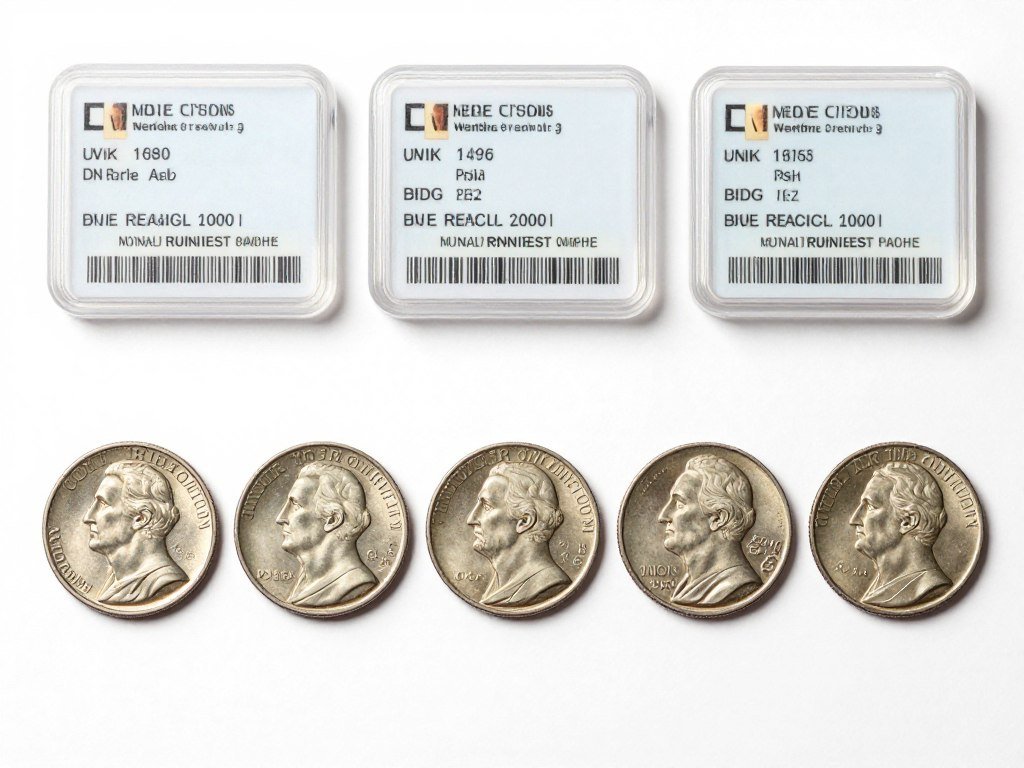
Transaction size impacts payment rates significantly. Larger quantities often command better percentages. Dealers offer improved pricing for bags versus individual coins.
Market volatility affects buyer behavior and pricing. Rapidly rising silver prices may prompt dealers to lower premiums. Stable markets typically yield more consistent payment rates.
- Quantity premiums: Bags receive 2-3% better rates than small lots
- Condition adjustments: Culled coins may drop 1-2% below standard rates
- Market timing: Volatile periods can shift rates by 3-5%
- Dealer inventory: Oversupplied dealers may reduce offers temporarily
Additional Premium Considerations
Certain dates and mint marks carry numismatic premiums. Key dates in exceptional condition exceed melt value. Dealers recognize these pieces and adjust offers accordingly.
Complete rolls of single dates command slight premiums. Collectors value original bank-wrapped rolls. These sealed packages prove coin authenticity and preservation.
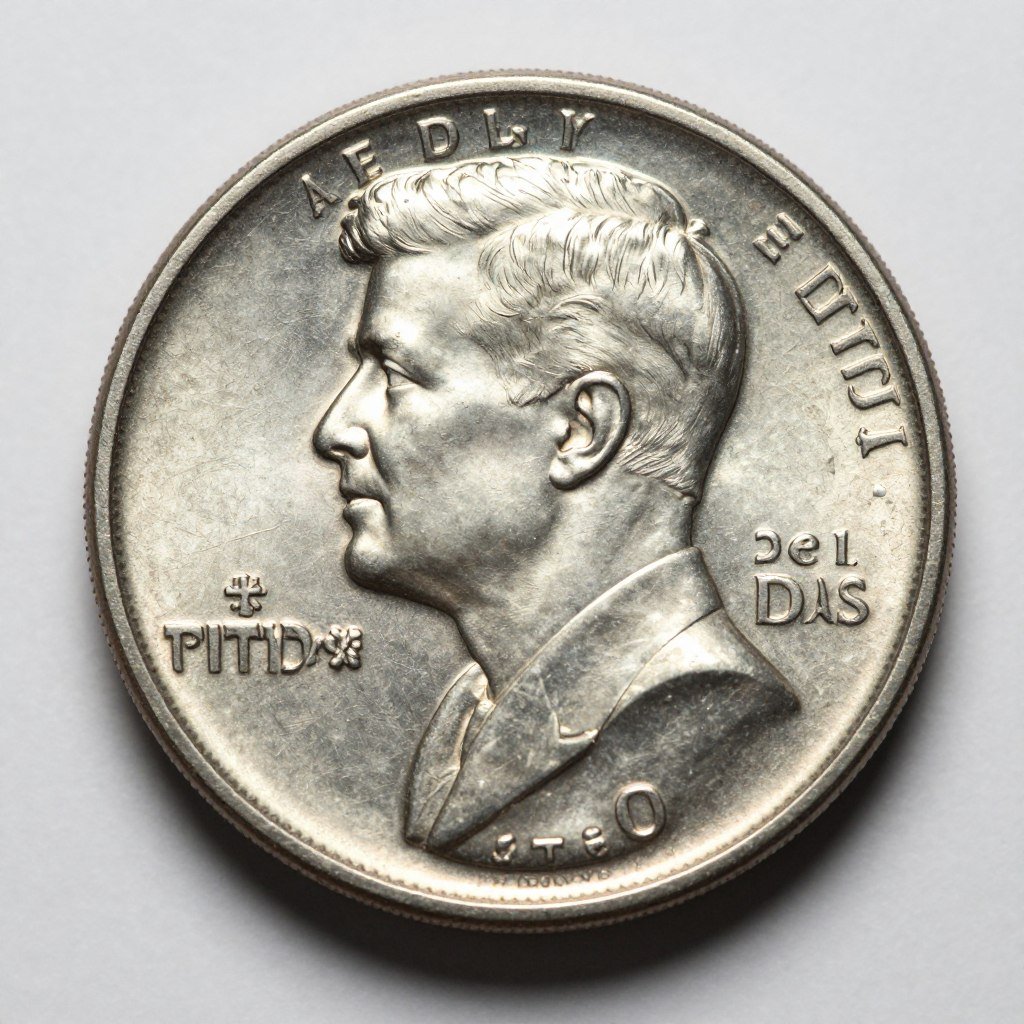
Half dollars generally attract marginally higher rates. Their larger size appeals to certain investors. Kennedy half dollars maintain particular popularity in the market.
Discover Your Coins’ True Worth
Metals Edge offers top-tier pricing for 90% silver coins with transparent calculations based on current market rates. Get a fair evaluation from experienced professionals.
Where to Sell Your 90% Silver Coins

Trusted Online Precious Metals Dealers
National online dealers provide convenient selling options. These companies maintain established reputations over years of operation. Professional assessment and competitive pricing characterize quality dealers.
Metals Edge stands among the most trusted names in precious metals. Their specialists understand silver coin markets thoroughly. Fair pricing and transparent processes protect seller interests.

The process with reputable online dealers follows clear steps. Sellers request quotes based on quantity and coin types. Dealers provide shipping materials and insurance coverage. Payment arrives quickly after coin verification.
Advantages of Established Online Dealers
- Competitive rates due to high transaction volumes
- Professional grading and accurate assessments
- Secure shipping with full insurance protection
- Multiple payment options including wire transfer and check
- Expert customer service and market guidance
- Transparent pricing tied to real-time spot prices
Local Coin Shops and Dealers
Neighborhood coin shops offer immediate transactions. Walking in with coins and leaving with cash appeals to many sellers. Building relationships with local dealers benefits repeat transactions.
Shop pricing varies based on location and competition. Urban areas with multiple dealers typically offer better rates. Smaller towns may have limited options and lower payment percentages.
Verifying dealer credentials protects sellers from fraud. Professional associations indicate legitimate operations. Better Business Bureau ratings reveal customer satisfaction history.
Coin Shows and Conventions
Regional coin shows attract numerous dealers under one roof. Competition among buyers can drive better offers. Sellers compare multiple quotes within hours at these events.
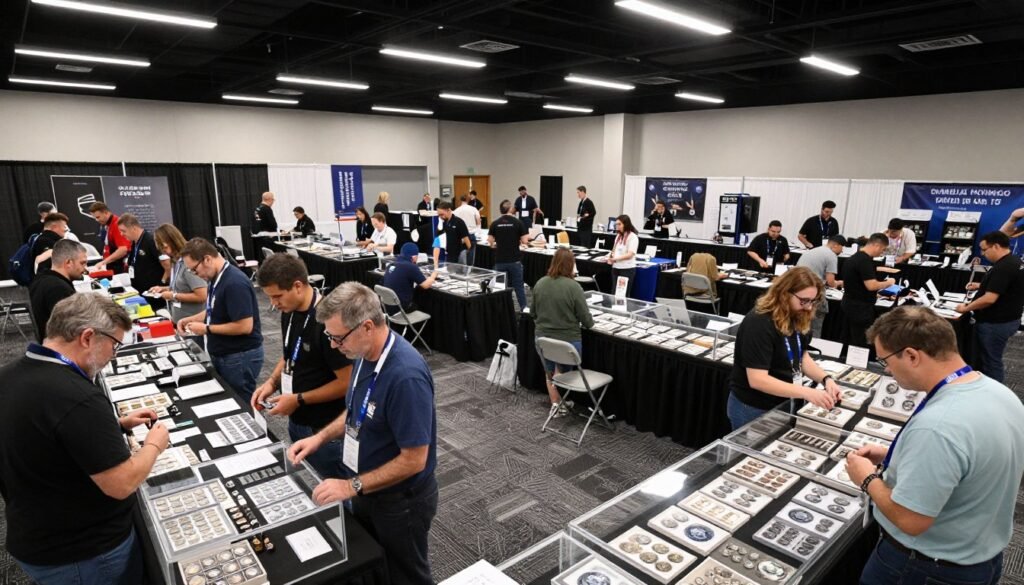
Major shows occur in most metropolitan areas quarterly. These events feature both local and traveling dealers. Serious collectors and investors attend seeking quality material.
Show atmosphere facilitates negotiation and comparison shopping. Sellers interact directly with multiple potential buyers. Immediate payment remains standard at most shows.
Auction Houses and Consignment
Traditional auction houses accept significant collections for consignment. This route suits large estates or rare date collections. Auction fees reduce net proceeds but access specialized buyers.
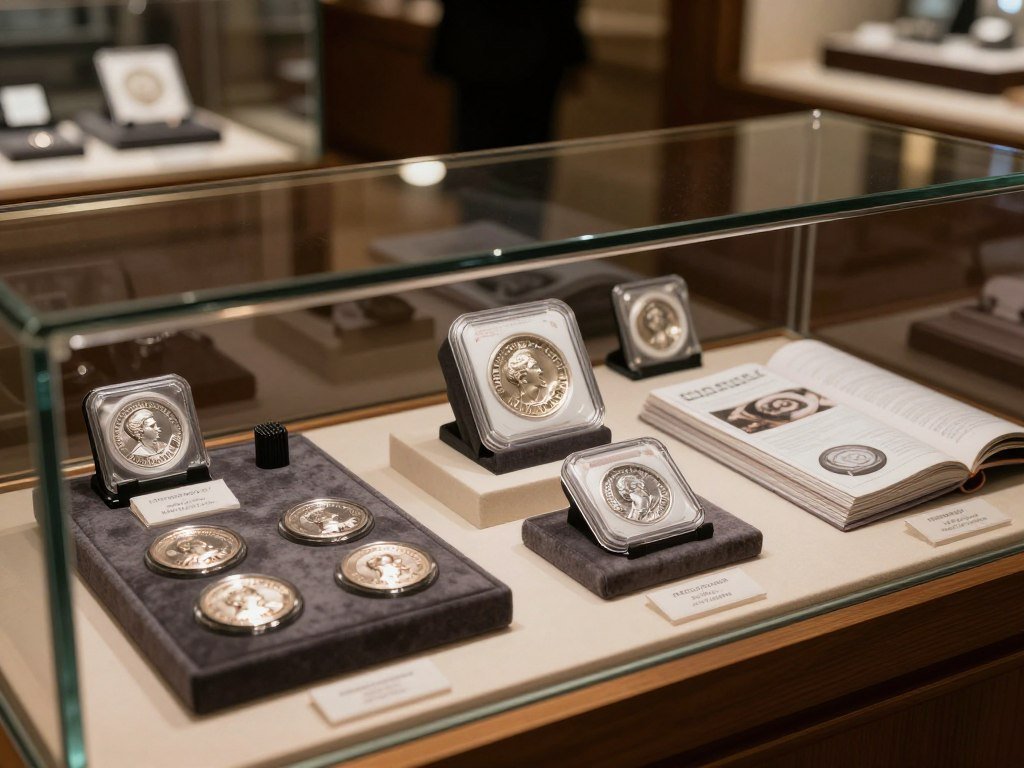
Online auction platforms provide alternative selling venues. These sites charge listing and final value fees. Shipping and payment risks increase compared to dealer sales.
Consignment arrangements require patience for payment. Auctions may take weeks or months to complete. This delay makes consignment unsuitable for urgent cash needs.
Comparing Your Selling Options
| Venue Type | Best For | Typical Timeline | Price Competitiveness | Convenience Level |
| Online Dealers (Metals Edge) | Most sellers, any quantity | 3-7 days total | Excellent | Very High |
| Local Coin Shops | Immediate needs, small amounts | Same day | Good to Fair | High |
| Coin Shows | Comparison shopping, medium quantities | Show day only | Good | Medium |
| Auction Houses | Large estates, rare collections | 4-12 weeks | Variable | Low |
| Pawn Shops | Emergency cash only | Same day | Poor | Medium |
Selecting the right selling venue depends on individual circumstances. Large quantities justify shipping to top online dealers like Metals Edge. Their professional service and competitive rates maximize seller returns.
What to Avoid When Selling
Certain selling approaches carry unnecessary risks. Unverified online buyers may disappear after receiving coins. Always research buyer credentials and payment histories.
Red Flags: Avoid buyers requesting payment before coin receipt, dealers without physical addresses, unusually high offers above market rates, and buyers pressuring immediate decisions without quote comparison.
Social media marketplace sales lack buyer protections. Meeting strangers for precious metals transactions poses safety concerns. Professional dealers eliminate these risks entirely.
Maximizing the Value of Your Silver Coins
Proper Coin Preparation
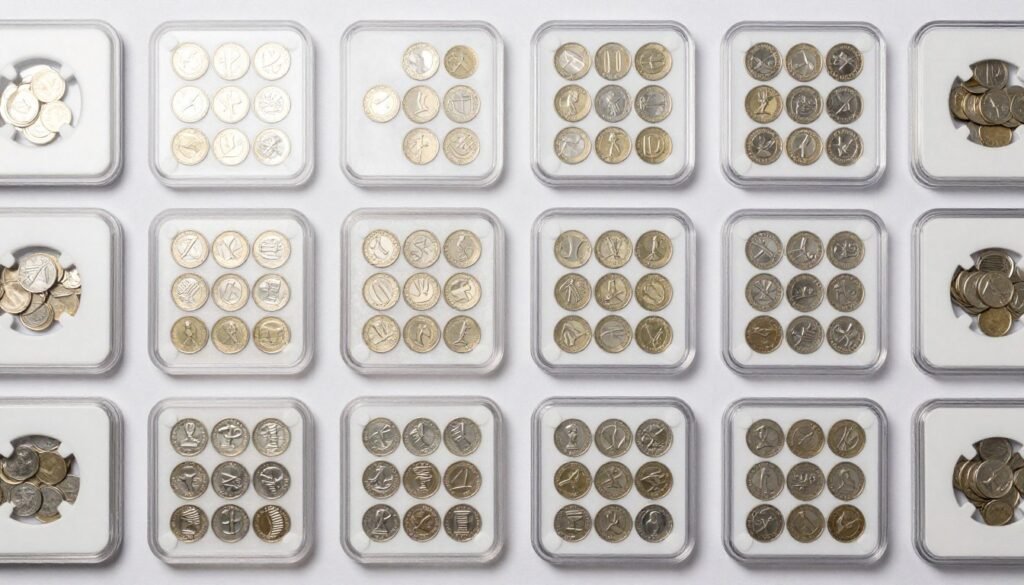
Basic organization improves transaction efficiency. Sorting coins by denomination helps dealers assess quickly. Separating heavily worn pieces from better condition examples may benefit pricing.
Cleaning silver coins generally damages value rather than improving it. Original surfaces appeal to collectors and dealers. Harsh chemicals or abrasive cleaning destroys natural toning.
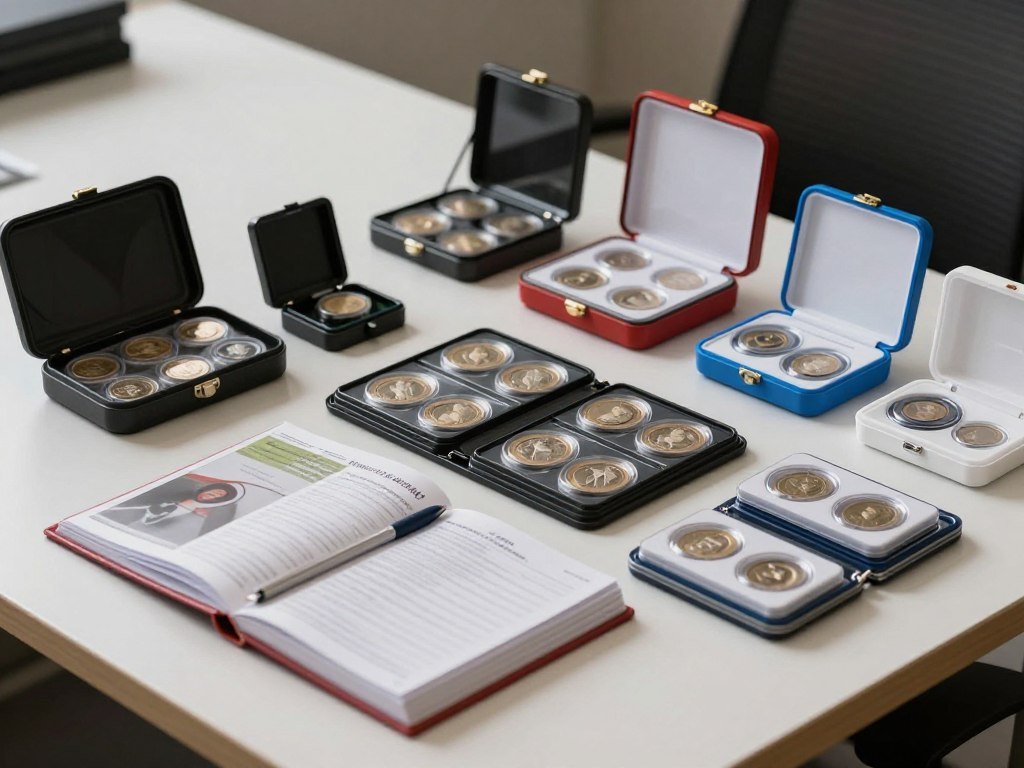
Secure storage protects coins until sale. Moisture and temperature fluctuations harm silver surfaces. Simple plastic bags or coin tubes provide adequate protection for junk silver.
Timing Your Sale
Silver prices fluctuate based on economic conditions. Tracking spot prices helps identify favorable selling windows. Patience during low markets may yield better future returns.
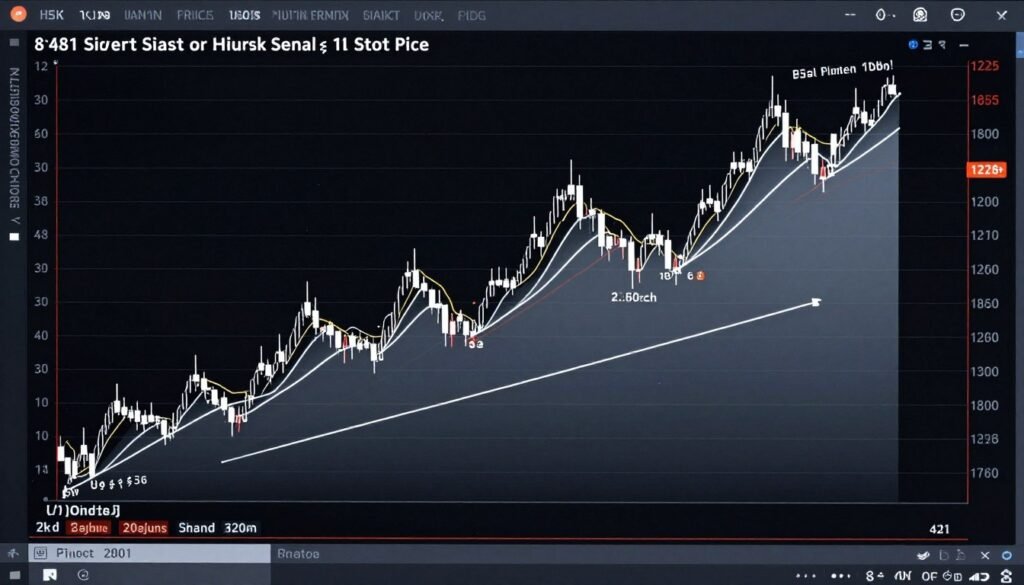
Market timing requires careful consideration of personal needs. Emergency cash requirements override market timing strategies. Long-term holders can wait for optimal pricing conditions.
Dollar cost averaging applies to selling just as buying. Selling portions during different market conditions balances risk. This approach prevents selling entire holdings at market bottoms.
Understanding Documentation Needs
Large transactions may require identification verification. IRS Form 1099-B reporting applies to specific transaction types. Dealers explain documentation requirements before purchase.
Tax Consideration: Precious metals sales may create taxable events. Consult tax professionals regarding capital gains implications. Keeping purchase records helps calculate cost basis accurately.
Inheritance documentation proves ownership for estate coins. Death certificates and executor letters satisfy dealer requirements. Proper documentation prevents transaction delays.
Building Dealer Relationships
Repeat customers often receive preferential treatment. Establishing relationships with reputable dealers like Metals Edge creates advantages. Trusted sellers may access better rates during tight markets.

Communication quality indicates dealer professionalism. Responsive customer service and clear explanations build confidence. Top dealers educate sellers about market conditions and pricing.
90% Silver Coins as Investment Vehicles
Why Investors Choose Junk Silver
Junk silver offers advantages over other precious metal forms. Lower premiums over spot price make acquisition affordable. Liquidity remains excellent due to widespread recognition and acceptance.
U.S. legal tender status provides additional credibility. These coins represent government-issued currency containing guaranteed silver content. This authenticity eliminates concerns about counterfeit bullion.
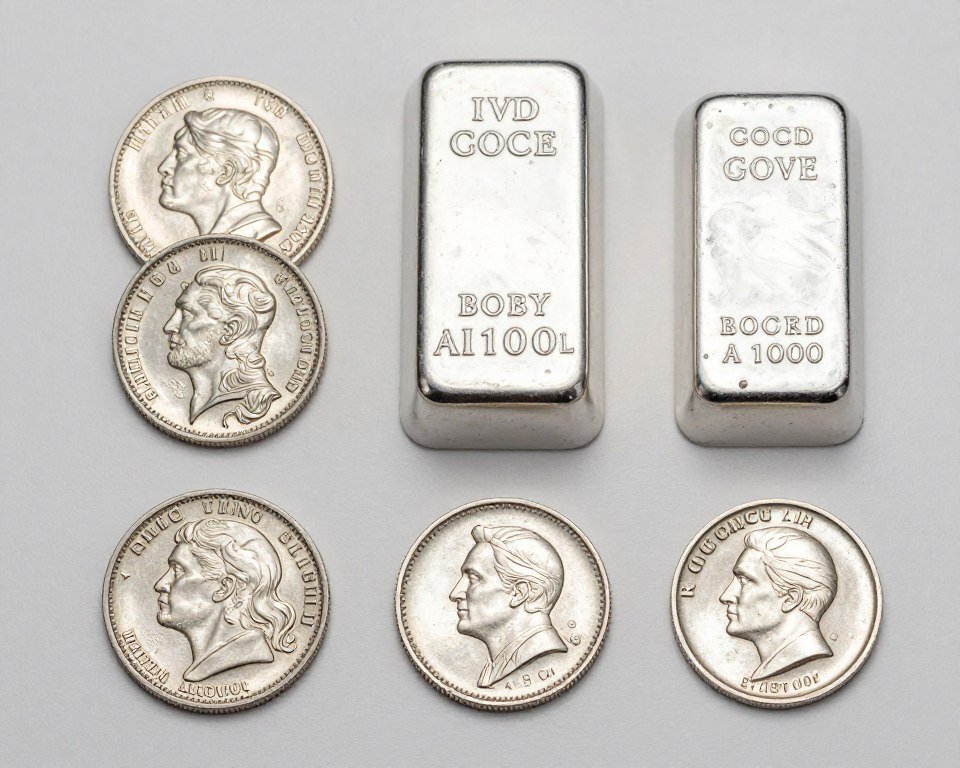
Fractional sizes facilitate flexible transactions. Selling small amounts becomes simple with dimes and quarters. This divisibility surpasses large silver bars for practical use.
Portfolio Diversification Benefits
Physical precious metals balance paper asset risks. Economic uncertainty often drives silver prices higher. Portfolio allocation to metals provides insurance against market volatility.
Financial advisors commonly recommend 5-15% precious metals allocation. This percentage depends on individual risk tolerance and investment goals. Conservative investors may prefer lower allocations.
Junk Silver Advantages
- Recognized U.S. government issue
- Low premiums over spot price
- Excellent liquidity nationwide
- Fractional denominations for flexibility
- No concerns about authenticity
- Historical price appreciation potential
Considerations for Investors
- No dividends or interest income
- Storage and security requirements
- Price volatility in short term
- Buy-sell spreads reduce profits
- Potential tax implications on sales
- Physical possession responsibilities
Comparing Investment Forms
| Silver Form | Typical Premium | Liquidity | Divisibility | Recognition |
| 90% Junk Silver | 2-5% over spot | Excellent | Excellent | Universal |
| Silver Eagles | 15-25% over spot | Excellent | Fair | Excellent |
| Generic Rounds | 3-8% over spot | Good | Fair | Good |
| Silver Bars | 1-4% over spot | Good | Poor | Good |
| Numismatic Coins | Varies widely | Variable | Excellent | Specialist market |
Historical Performance Context
Silver prices demonstrate long-term growth despite volatility. Historical data shows silver maintaining purchasing power over decades. Short-term fluctuations test investor patience regularly.
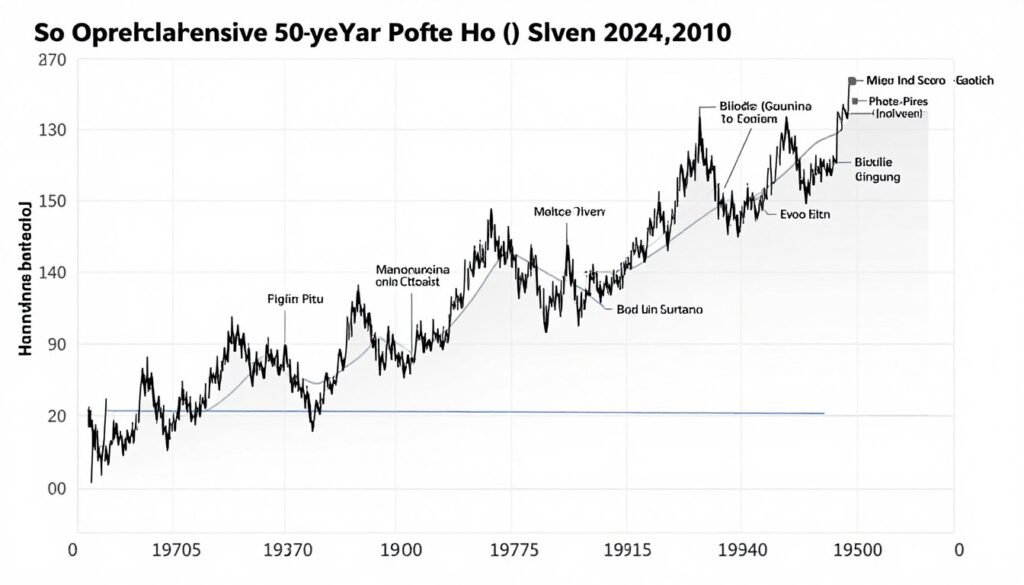
Peak prices in 1980 and 2011 demonstrated silver’s potential. Both peaks occurred during economic crises and inflation fears. Understanding these cycles helps set realistic expectations.
Industrial demand supports baseline silver values. Electronics, solar panels, and medical applications consume millions of ounces annually. This industrial foundation differentiates silver from purely monetary metals.
Common Questions About Selling Silver Coins
How do I know if my coins are actually 90% silver?
U.S. dimes, quarters, and half dollars dated 1964 and earlier contain 90% silver. These coins have distinctive ring when dropped on hard surfaces. Weight and size also indicate genuine silver composition.
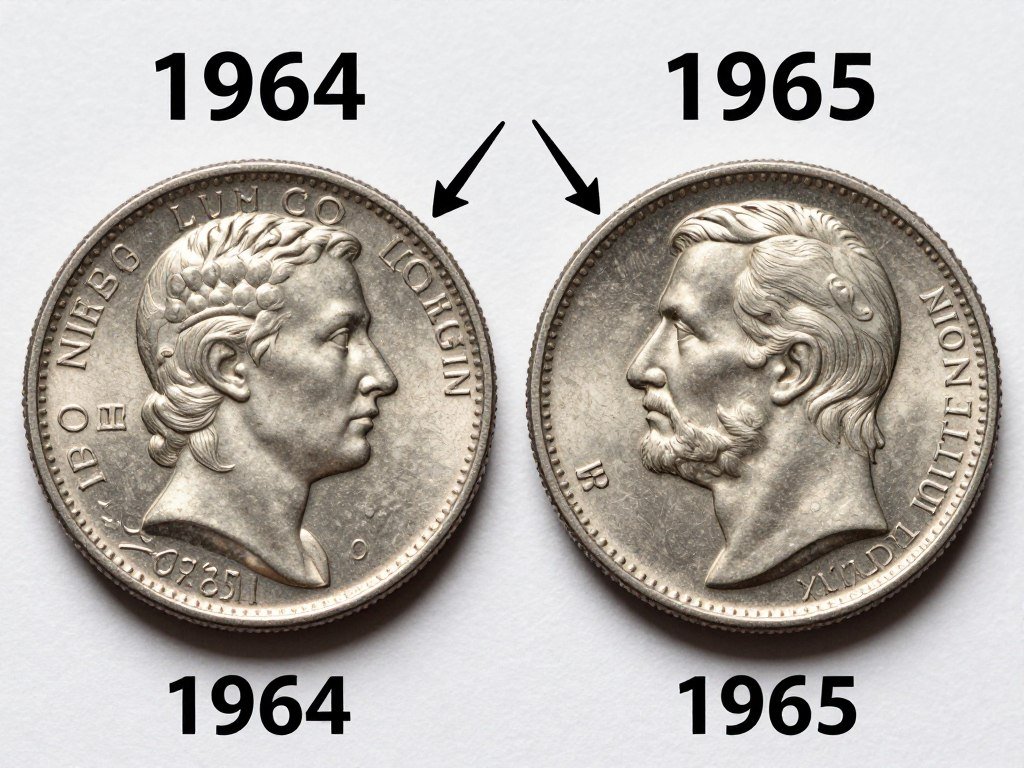
Kennedy half dollars from 1965-1970 contain 40% silver instead. Magnet tests help identify genuine silver since silver is not magnetic. Professional dealers verify authenticity quickly using precise scales.
Should I clean my silver coins before selling?
Never clean silver coins intended for sale. Original surfaces maintain maximum value even with toning or tarnish. Cleaning removes microscopic metal and damages coin surfaces permanently.
Dealers and collectors prefer natural, uncleaned coins. Harsh cleaning can reduce values by 50% or more for collectible pieces. Simple soap and water removes only loose dirt if absolutely necessary.
What quantity is worth selling to a dealer?
Reputable dealers like Metals Edge accept any quantity from single coins to multiple bags. Shipping costs impact small transactions economically. Face values exceeding $50 typically justify dealer transactions.
Local coin shops work well for smaller amounts needing immediate sale. Larger quantities benefit from competitive dealer rates. Online dealers often provide best pricing for amounts over $500 face value.
How long does the selling process take?
Local shops provide immediate payment upon agreement. Online dealers like Metals Edge typically process transactions within 3-7 business days total. This timeframe includes shipping, verification, and payment processing.
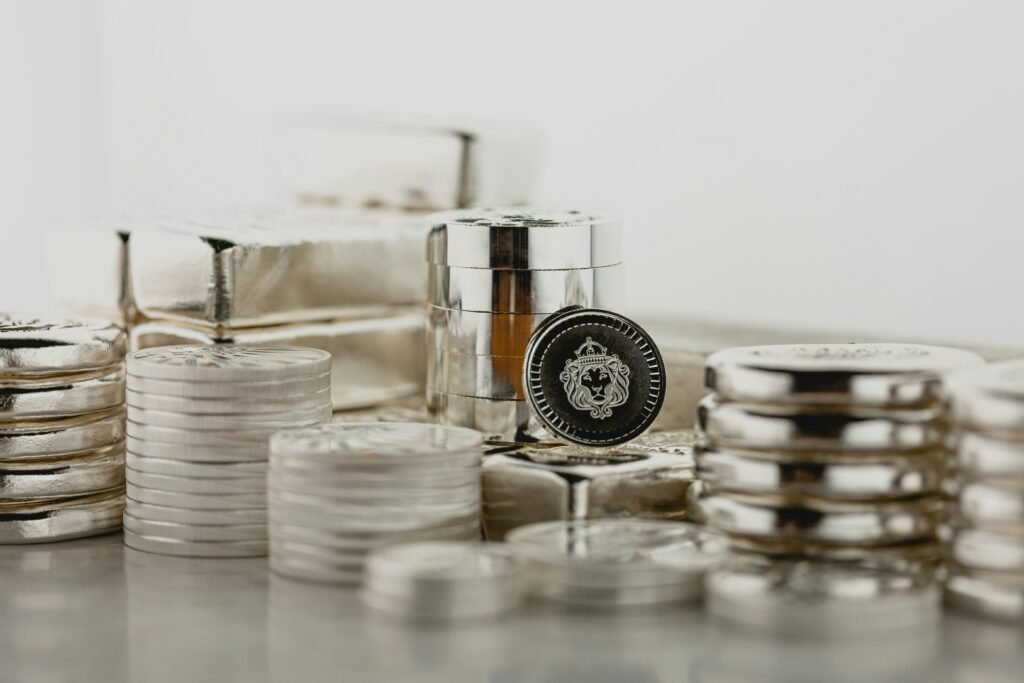
Expedited shipping reduces total time by 1-2 days. Wire transfers arrive faster than mailed checks. Rush processing options exist for time-sensitive situations.
Are there tax implications when selling silver coins?
Precious metals sales may create taxable capital gains. Profit calculation requires documented purchase prices. Coins held over one year qualify for long-term capital gains rates.
Dealers report certain transactions to IRS via Form 1099-B. Reporting thresholds vary by transaction type and amount. Tax professionals provide specific guidance for individual situations.
What payment methods do dealers offer?
Professional dealers offer multiple payment options. Checks remain most common for standard transactions. Wire transfers provide fastest access to funds for larger amounts.
Some dealers offer PayPal or other electronic payments. Cash payments occur primarily at local shops and shows. Payment method selection depends on amount and seller preference.
How do I ship silver coins safely?
Reputable online dealers provide shipping materials and instructions. Insurance coverage protects against loss during transit. Registered mail with signature confirmation adds security layers.
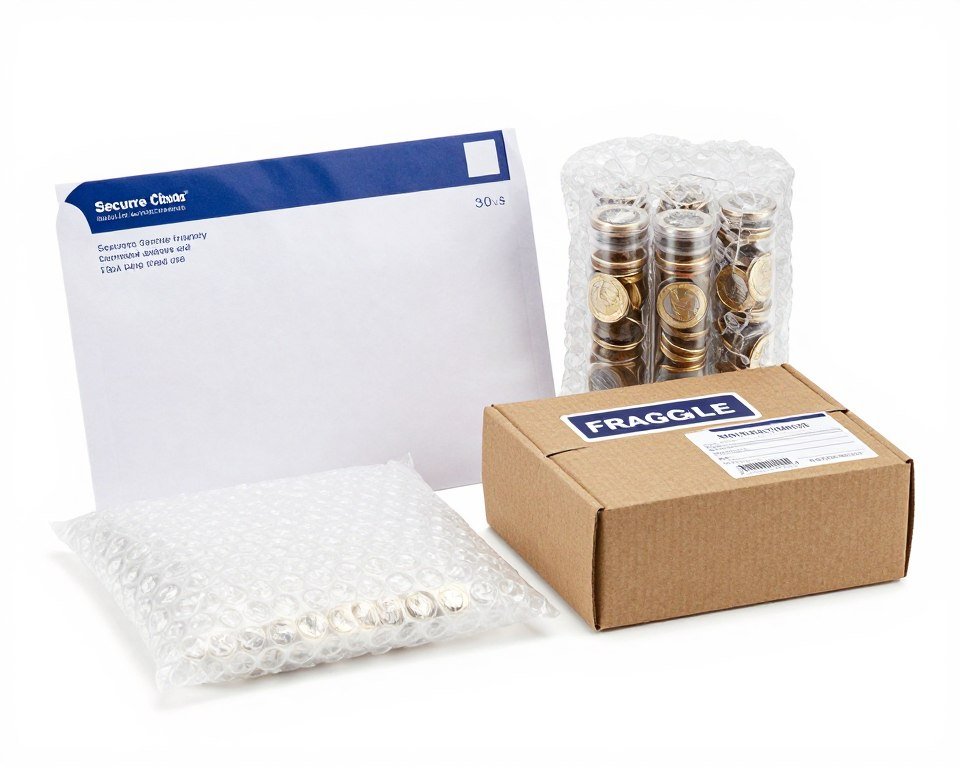
Package coins securely to prevent movement and damage. Never indicate valuable contents on exterior packaging. Dealers guide sellers through their specific shipping requirements.
Can I sell damaged or worn silver coins?
Dealers purchase heavily worn junk silver for melt value. Damage affects pricing minimally since metal content matters most. Bent, scratched, or holed coins still contain silver worth recovering.
Extremely damaged pieces may face small discounts. Corrosion can reduce actual silver content slightly. Most circulation wear has negligible impact on junk silver pricing.
Why Choose Metals Edge for Your Silver Coin Transactions

Trusted Expertise in Precious Metals
Metals Edge brings years of precious metals experience to every transaction. Their specialists understand silver markets deeply. This expertise translates to fair pricing and professional service.
The company maintains transparent pricing structures tied to real-time spot prices. No hidden fees or unexpected deductions surprise sellers. Clear communication characterizes every step of the process.
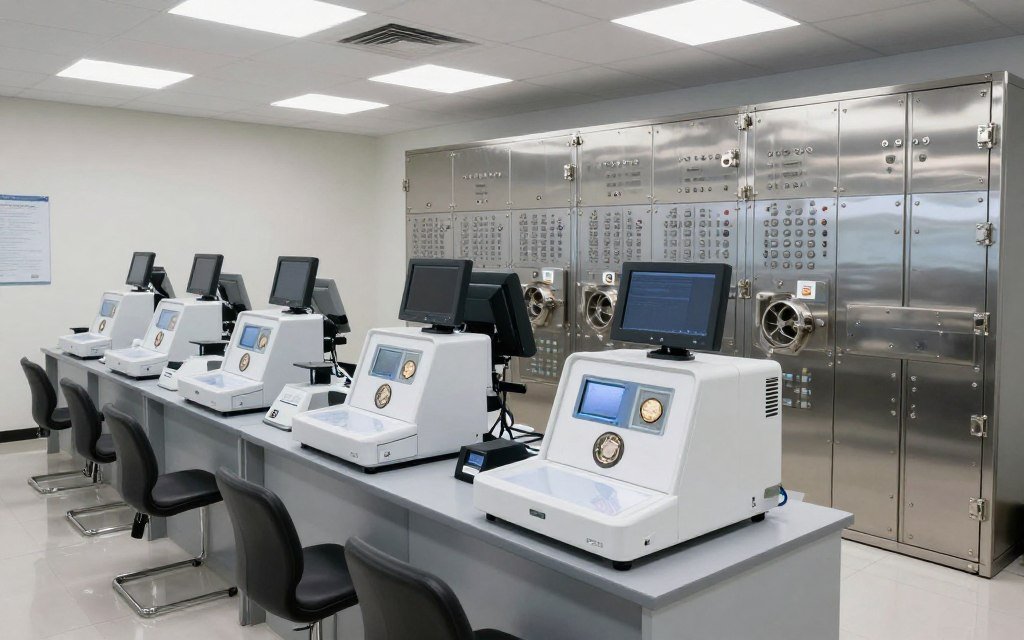
Customer satisfaction drives Metals Edge operations. Reviews and testimonials demonstrate consistent positive experiences. Long-term relationships with clients prove their commitment to fair dealing.
Comprehensive Services for Buyers and Sellers
Metals Edge serves both sides of silver coin transactions. Sellers receive competitive offers based on current market conditions. Buyers access quality inventory at reasonable premiums.
- Free consultations to discuss coin values and market conditions
- Competitive pricing for all quantities of junk silver
- Fast payment processing within 24-48 hours of verification
- Secure shipping arrangements with full insurance coverage
- Expert grading and authentication services
- Educational resources about silver investing and markets
- Personalized service from knowledgeable specialists
Simple Transaction Process
Selling to Metals Edge follows straightforward steps. Contact their team by phone or website for initial quote. Receive shipping materials and detailed instructions for secure transport.

Ship coins using provided insurance and tracking. Metals Edge evaluates and confirms offer upon receipt. Payment processes immediately after seller acceptance. The entire experience prioritizes efficiency and security.
Market Knowledge and Guidance
Beyond transactions, Metals Edge educates clients about precious metals markets. Their specialists explain price movements and timing considerations. This guidance helps sellers make informed decisions.
Market updates and pricing information remain accessible to clients. Understanding current conditions empowers better transaction timing. Metals Edge provides this knowledge without sales pressure.
Making Informed Decisions About Your Silver Coins
Understanding the 90% silver coin market empowers better financial decisions. Knowledge about buyers, pricing, and selling venues protects your interests. This information helps maximize returns on precious metals holdings.
Multiple buyer types exist with varying payment rates and processes. Reputable dealers like Metals Edge offer competitive pricing with professional service. Local options provide convenience while online dealers often deliver superior rates.
Silver coin values fluctuate with precious metals markets. Spot prices form the foundation for all calculations. Dealer premiums and discounts adjust this base value based on quantity and condition.
Timing and preparation influence transaction outcomes. Organized coins and proper documentation facilitate smooth sales. Market awareness helps identify advantageous selling windows when appropriate.
The silver coin market maintains excellent liquidity and widespread recognition. These qualities make junk silver attractive for investors and practical for sellers. Whether buying or selling, trusted dealers provide essential expertise.
Start Your Silver Coin Transaction Today
Metals Edge stands ready to assist with professional evaluations and competitive offers. Their experienced team provides the knowledge and fair pricing you deserve. Connect with precious metals specialists who prioritize your satisfaction.
Whether you hold a few coins or multiple bags, professional guidance ensures optimal outcomes. Metals Edge combines market expertise with transparent processes. Their commitment to fair dealing has built lasting client relationships.
The precious metals market continues evolving with economic conditions. Staying informed about trends and pricing helps navigate these changes. Trusted dealers provide ongoing support beyond individual transactions.
Your silver coins represent tangible value in uncertain times. Making informed decisions about buying, holding, or selling protects this value. Partner with professionals who respect your investment and provide honest guidance.